



DOLPHIN SURGICAL Dolphin Surgical Industries stipulated in Thane District — 401105 INDIA. Our entire product is very systematically catalog for easy reference, Identification in order to maintain a high degree of quality & reliability, We have t...
- (+91) 7700933367
- dolphininstruments@hotmail.com
- Office No. 27 - 28, Ravi Raj Industries, Near Janseva Sahakari, Behind Dharam Kanta, Phatak Road, Bhayander East, Thane: 401105,, Mira Bhayandar, Maharashtra, India. 401105
© 2020 dolphin instruments. All Rights Reserved
Cardiology Instruments
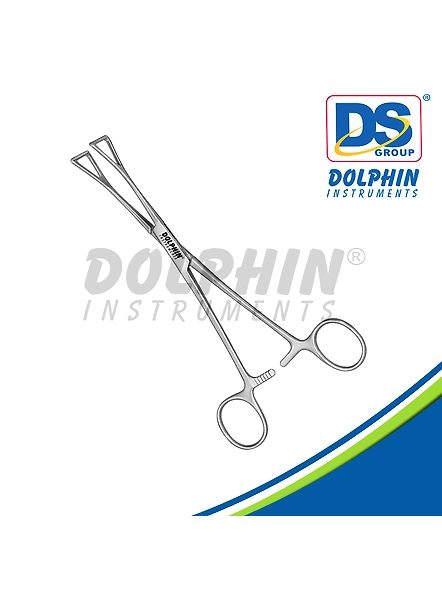

DRESSING FORCEPS DUVAL 8"
An 8" Duval dressing forceps is a surgical instrument used to grasp and hold heavy or delicate tissues, organs, and foreign objects in various procedures, including general, cardiovascular, and gynecological surgeries. Its wide, triangular jaws and optional serrated edges provide a secure hold on tissues like the bowel, stomach, or lung, while also allowing for retraction of delicate tissues or packing of dressings.
Tissue Grasping:
The primary function is to securely grasp and hold internal tissues, especially heavy organs like the intestines, stomach, or lungs.
Tissue Retraction:
Duval forceps can be used to retract tissues, providing surgeons with a clearer view of the surgical site and creating access to deep surgical spaces.
Wound Packing:
They are used to pack gauze and other dressing materials into wounds, which is crucial for wound care and management.
DRESSING FORCEPS DUVAL 6"
A Duval forceps is primarily used in surgical settings to grasp and hold delicate internal tissues, such as the bowel, stomach, or lungs, without causing crush injury. Its triangular, fenestrated (windowed) jaws provide a broad, distributed grasping surface for atraumatic handling and retraction of organs during procedures like abdominal surgery. The instrument also functions as a packing tool for wounds and can help in manipulating and securing tissues for deep surgical access.
Tissue Retraction:
To hold and retract delicate tissues, such as the lungs, stomach, or bowels, to improve the surgical field of view.
Tissue Grasping:
To grasp internal organs with a broad, gentle surface area to prevent trauma.
Wound Packing:
To pack gauze and other dressings into wounds.
Foreign Object Removal:
To help in the removal of foreign objects from a surgical site.
General Surgery:
Widely used in general, abdominal, and gastrointestinal surgeries.
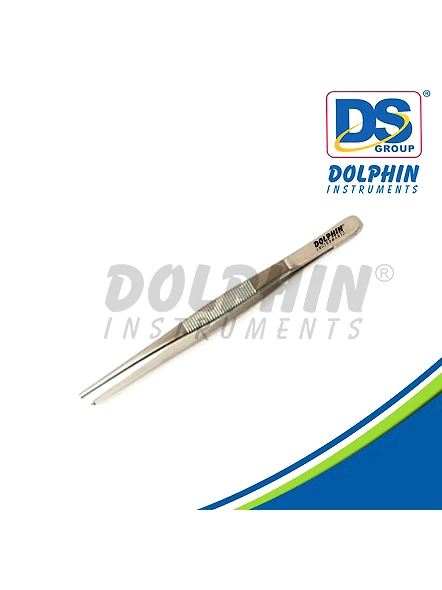
U.S.A. MODEL FORCEP TOOTH 7"
A USA Model 7" tooth forceps is a dental extraction instrument used for removing upper premolar teeth. The "USA Model" refers to a standard style of handle, while the number "7" specifies its use for upper premolars.
Extracting upper premolars:
This is the primary function of the 7" forceps. The shape and design of the beaks are specifically contoured to fit the anatomy of the upper first and second premolars.
Minimizing trauma:
The forceps' design is engineered to provide a secure and precise grip on the tooth, which helps to reduce the risk of slippage. This allows for a quicker, less painful extraction for the patient with minimal trauma to the surrounding tissues and bone.
Applying controlled leverage:
The angle of the instrument helps a dentist direct force along the tooth's long axis, which is necessary for effective and safe extraction.
U.S.A. MODEL FORCEP TOOTH 6"
The 6-inch U.S.A. model toothed forceps are a multipurpose surgical instrument used for grasping and manipulating a variety of tissues and materials. They are valued for providing a secure, non-slip grip, particularly on slippery or dense tissues.
General surgical applications
Tissue handling:
The toothed tips are designed to hold and control tissues like fascia, skin, and fibrous sheaths during surgical procedures.
Wound management:
They are used for handling tissues during wound closure (suturing) and while performing dressing changes.
General surgery:
The forceps are a fundamental tool in general surgery for dissections and manipulating tissues in both abdominal and soft tissue procedures.
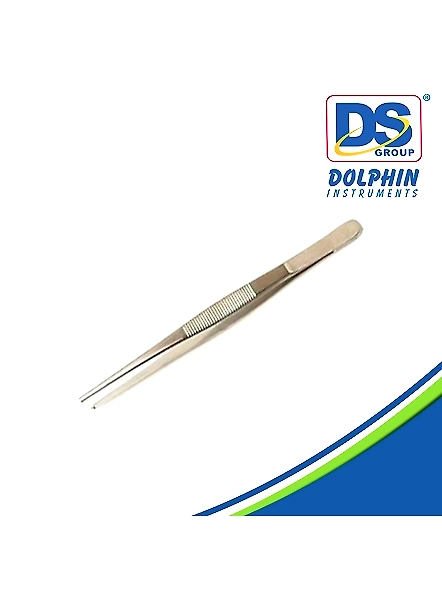
U.S.A. MODEL FORCEP PLAIN 7"
A "U.S.A. MODEL FORCEPS PLAIN 7INCH " is a surgical instrument, also known as a dissecting or dressing forceps, primarily used in various medical specialties for the delicate grasping and manipulation of tissues and dressings. Its 7-inch length provides additional reach for deeper surgical cavities, while the "plain" (non-toothed) jaws offer a gentle, atraumatic grip suitable for fragile structures like nerves and blood vessels.
Tissue Manipulation:
The primary function is to precisely grasp, hold, and manipulate delicate tissues and fragile structures during surgical procedures.
Dressing Handling:
They are ideal for handling and applying dressings in surgical sites.
General Surgery:
Used in general surgery for a wide range of procedures requiring gentle tissue handling.
Other Specialties:
Also used in dental, vascular, ophthalmic, and microsurgery.
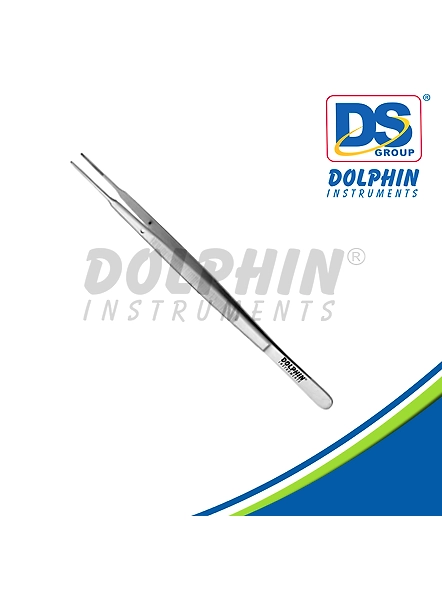
GERALD FORCEPS PLAIN 7"
Gerald Forceps, often called Gerald Tissue Forceps or Dissecting Forceps, are surgical instruments with fine, tapered tips designed for delicate tissue handling, dissection, and retraction in procedures like neurosurgery, microsurgery, and cardiovascular surgery. The "plain" style has non-toothed, serrated jaws that provide a secure yet gentle, atraumatic grip on soft tissues, offering stability without causing excessive trauma.
Delicate Dissection:
The primary use is to carefully separate and dissect soft tissues.
Tissue Manipulation:
They are used to hold, grasp, and maneuver tissues during surgery.
Retraction:
The forceps can gently retract or hold tissues out of the way to improve surgical access.
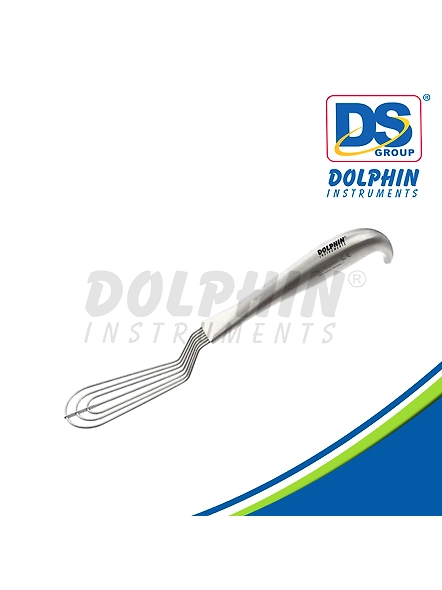
CARDIAC ALLISON LUNG RETRACTOR LARGE
A cardiac Allison lung retractor (large) is used during thoracic and cardiac surgeries to gently retract lung tissue, providing a clear surgical field for procedures like lung resection, lobectomy, or pneumonectomy. The "large" size is one of several available options, selected to accommodate the specific surgical scenario and patient's anatomy. Its flat, spatula-shaped blade and hollow handle are designed to minimize pressure on the lung, ensuring maximal ventilation and reduced tissue trauma during these delicate procedures.
CARDIAC ALLISON LUNG RETRACTOR MEDIUM
A Cardiac Allison Lung Retractor (Medium size) is a surgical instrument used in thoracic and cardiothoracic procedures to gently pull back the lung and other surrounding tissues, creating a clear, unobstructed view of the chest cavity and the heart for surgeons. The medium size offers a balance between the amount of retraction and the instrument's maneuverability, allowing for precise manipulation of the lung while minimizing trauma.
Lung Retraction:
Its primary function is to hold the lung out of the surgical field, providing access to the surgical area.
Thoracic and Cardiothoracic Surgery:
It is specifically designed for these types of complex procedures, where access to the lungs and heart is crucial.
Creating Surgical Access:
By holding the lung aside, it allows surgeons to visualize and perform procedures on the heart, aorta, or other thoracic structures.
Minimizing Tissue Trauma:
The instrument's fan-shaped or flat, spatula-shaped blade is designed to manipulate lung tissue gently, reducing the risk of injury.
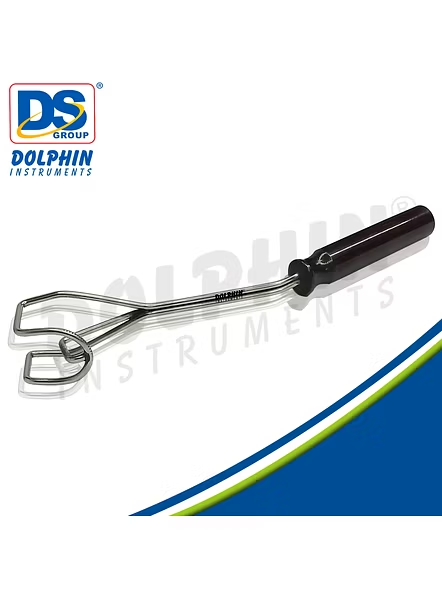
COOLEY'S RETRACTOR RIGHT
A right-sided Cooley retractor is a surgical instrument used primarily in cardiothoracic surgery to provide gentle, stable retraction of soft tissues, offering surgeons enhanced visualization and access during complex heart and lung procedures. Key applications include opening-heart surgery, repairing mitral and aortic valves, treating atrial septal defects, and performing lung segment resections.
Atrial Retraction:
The Cooley retractor holds back the soft tissues of the left atrium, allowing access to the mitral valve for procedures like valve repair or replacement.
Lung and Thoracic Surgery:
The angled design of the right-sided retractor is ideal for gently retracting soft lung tissues in the chest cavity, facilitating access for various thoracic procedures and lung surgeries.
Visualization:
By holding back surrounding structures, the retractor provides a clear and unobstructed view of the surgical field, improving precision and safety.
Access to Deep Cavities:
The instrument's design enables surgeons to reach deep thoracic cavities for procedures such as arterial grafting and other cardiopulmonary surgeries.
COOLEY'S RETRACTOR LEFT
A Cooley left-angle retractor is a specialized surgical instrument used in cardiovascular and thoracic procedures to provide optimal exposure of the surgical site. Its primary uses include retracting delicate tissues and organs to give surgeons a clear view during complex heart and chest surgeries.
Cardiovascular surgery:
In open-heart procedures, it is used to hold back the left atrium and surrounding structures to provide a clear view of the mitral valve.
Mitral valve replacement and repair:
The retractor is specifically designed for these procedures, where it is used to pull back the edge of the left atrium, allowing access to the mitral valve.
Atrial septal defect repair:
It helps to expose the interior of the heart for the repair of congenital defects.
Thoracic surgery:
It is also used in other chest surgeries to retract soft tissues, such as the lungs, to gain access to deep areas of the chest cavity.
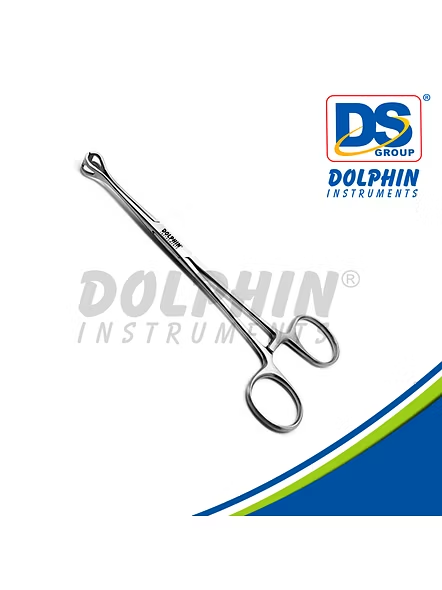
DEBAKEY BABCOCK 8"
An 8" DeBakey Babcock forceps is a surgical instrument used to grasp and hold delicate tissues, such as those in intestinal, gynecological, and general surgeries, to prevent tearing or crushing them. The 8-inch length provides extended reach for deeper surgical sites or procedures requiring more maneuverability, making it useful in abdominal, vascular, and laparoscopic surgeries. The instrument is characterized by its atraumatic design, with fenestrated (holed), rounded tips and atraumatic serrations to minimize trauma to fragile tissues.
CARDIAC ALLISON LUNG RETRACTOR SMALL
A CARDIAC ALLISON LUNG RETRACTOR (SMALL) is a surgical instrument used in thoracic and cardiothoracic procedures to gently retract the lung and other delicate tissues for better surgical access, visibility, and reduced tissue trauma. Its design allows for optimal exposure of the surgical site while maintaining lung ventilation and is particularly useful in pediatric or smaller patients due to its smaller size.
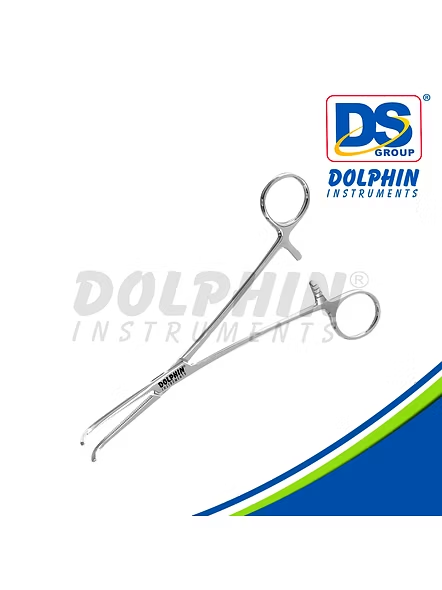
DEBAKEY MIXTER 10"
A 10-inch DeBakey Mixter forceps is a specialized surgical instrument used for grasping, mobilizing, and clamping blood vessels and delicate tissues during complex cardiovascular, abdominal, and other complex surgical procedures. Its DeBakey-style serrated jaws provide a secure, non-slip grip without causing trauma, while the 10-inch length allows for extended reach deep into surgical sites.
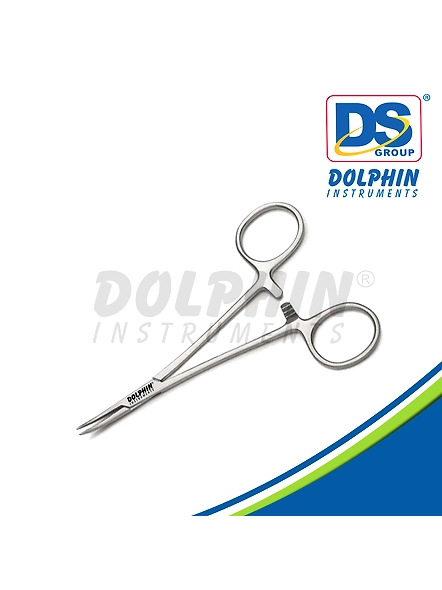
AUTRAUMATIC MOSQUITO FORCEP 5" CVD
Atraumatic mosquito forceps are used in surgery for clamping delicate blood vessels to control bleeding, and for grasping and manipulating soft tissues, minimizing damage during delicate procedures. Their key features include fine, tapered jaws, a secure locking ratchet, and serrations that provide a firm but gentle grip. These forceps are essential for precision in various surgical fields, including general surgery and dental procedures.
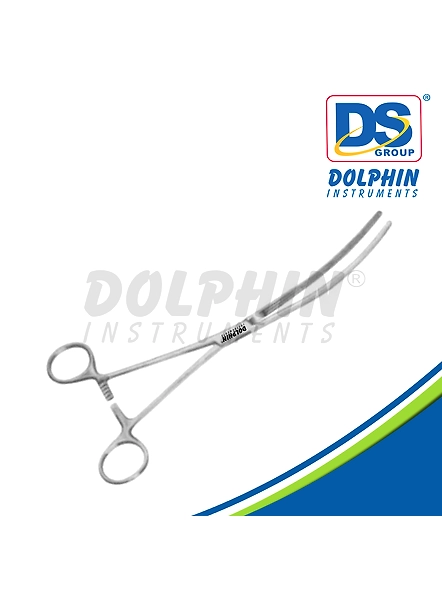
ATRAUMATIC INTESTINAL CLAMP 10" CVD
An ATRAUMATIC INTESTINAL CLAMP 10" CVD is a surgical tool used to grasp, hold, and clamp delicate tissues like the intestines and blood vessels without causing crushing or tearing damage. Its primary uses include controlling bleeding (hemostasis), securing tissues during manipulation, and temporarily occluding (clamping off) bowel segments during procedures like bowel resections. The 10-inch length and curved (CVD) design provide access to deep or narrow surgical areas, while the atraumatic design with longitudinal serrations ensures a secure yet gentle grip.
Atraumatic Grip:
The clamp features delicate, slightly malleable jaws with longitudinal serrations to grip tissues like the intestinal wall or mucous surfaces firmly but without crushing or tearing.
Hemostasis:
It functions as a hemostat to clamp blood vessels, controlling hemorrhage (excessive bleeding) during surgery.
Tissue Manipulation & Isolation:
The clamp holds and secures segments of the bowel during procedures like bowel resections, allowing surgeons to isolate and work on specific areas.
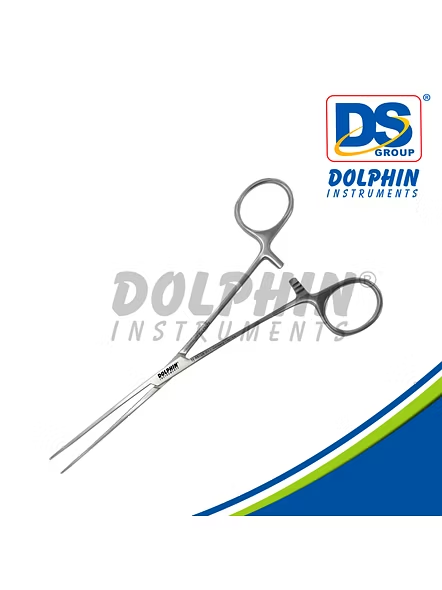
ATRAUMATIC INTESTINAL CLAMP 10" SRT
A 10-inch atraumatic intestinal clamp is a surgical instrument used to gently grasp and hold delicate tissues like the intestines, stomach, and rectum during procedures such as dissection, resection, and anastomosis. It is also used to control blood flow by clamping vessels and can provide deep access and a secure, non-crushing grip on various internal organs without causing significant soft tissue damage.
Tissue Manipulation:
Grasping, holding, and manipulating delicate tissues within the gastrointestinal tract.
Hemostasis:
Controlling bleeding by clamping blood vessels.
Dissection and Resection:
Facilitating precise cutting and removal of tissues.
Anastomosis:
Assisting in the joining of surgical tissue or organs.
General Surgical Access:
Reaching and securing deep, narrow areas within the body.
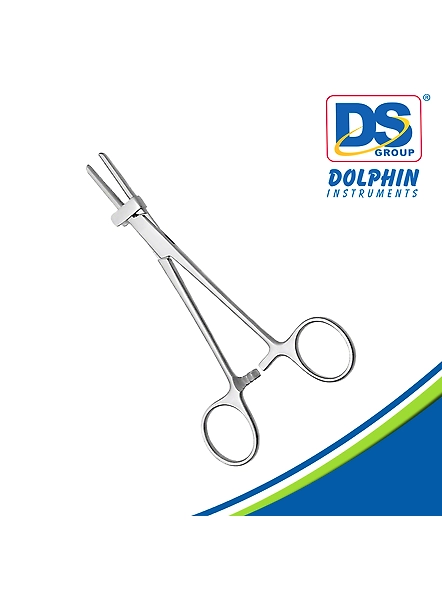
TUBING CLAMP WITH GUARD
The Tubing Clamp with Guard, also called Vorse Tube Occluding Forceps With Guard, is an essential instrument for effectively blocking fluid flow in medical procedures Its ratcheted design ensures precise control. Features Ratcheted design for precise control Protective guard for enhanced safety Durable construction for clinical confidence Comfortable finger ring design Versatile application in medical procedures.
A tubing clamp with guard, also known as Vorse Tube Occluding Forceps with Guard, is a medical instrument used to control or block the flow of fluids through tubing. It's particularly useful in surgical settings for managing fluid flow in various procedures. The guard component adds a safety feature, protecting surrounding tissues from accidental damage.
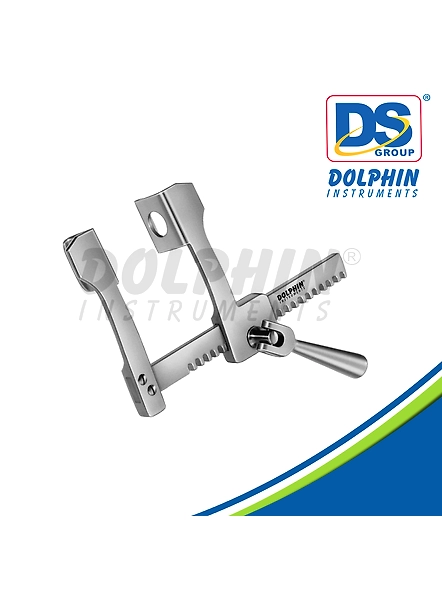
FINOCHITTO RETRACTOR 2 BLADE SMALL
A small, 2-blade Finochietto retractor is a self-retaining surgical instrument primarily used to spread the ribs and other tissues during pediatric or small-animal thoracic and cardiovascular surgery. The size is adapted for smaller anatomies to minimize trauma.
Correction of congenital defects:
Pediatric surgeons use the small Finochietto retractor to access the chest cavity of infants and perform intricate procedures, such as correcting a tracheoesophageal fistula (a condition where the esophagus is connected to the trachea).
Cardiovascular surgery:
It is used in pediatric cardiac surgeries to provide clear access to the heart and surrounding vessels.
Lung resections:
The retractor helps in accessing and removing diseased portions of the lung in pediatric patients.
Trauma surgery:
It is valuable in emergency procedures involving chest trauma in small children, allowing for fast and controlled access to treat internal injuries.
GERALD FORCEP TOOTH 7"
A 7" Gerald forceps with a toothed tip is a delicate surgical instrument used to grasp, retract, and manipulate soft or firm tissues during procedures like neurosurgery, cardiovascular surgery, and plastic surgery. The fine, narrow jaws with 1x2 teeth provide a secure but controlled hold on various tissues, including mucous membranes, blood vessels, and skin, allowing for high-precision dissection and retrieval of small foreign bodies with minimal trauma.
Delicate Tissue Manipulation: The fine tips and 1x2 teeth are ideal for grasping and moving delicate tissues in sensitive areas like the brain, spinal cord, or cardiovascular system.
Dissection and Retrieval: These forceps are used for micro-dissection and for the removal of small foreign bodies from soft tissues.
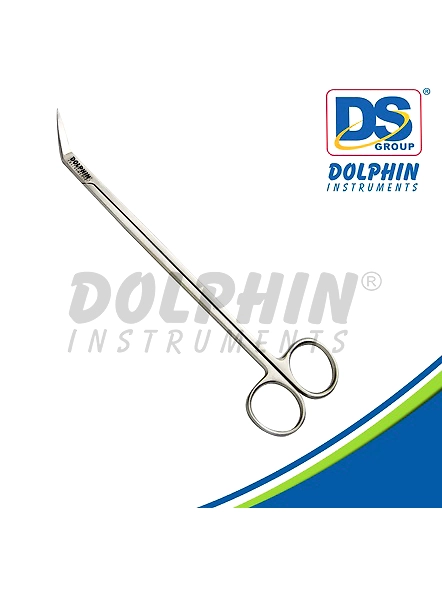
POTTS SCISSOR 45° 7"
Potts scissors with a 45° angle are specialized surgical instruments used primarily for cutting and extending incisions in blood vessels (arteries and veins) during cardiovascular and thoracic procedures, such as those for bypassing blockages. Their angled tips allow surgeons to insert the blades into a vessel and make precise, straight cuts along its wall, enabling tasks like vessel opening and the removal of blockages.
Vascular Surgery:
Ideal for extending arteriotomies (incisions in arteries) and venotomies (incisions in veins).
Bypass Operations:
Used in procedures like coronary artery bypass and femoropopliteal bypass to create access points in vessels.
Removal of Blockages:
Crucial for operations like embolectomy and thrombectomy, where a surgeon needs to create an incision to remove a blood clot.
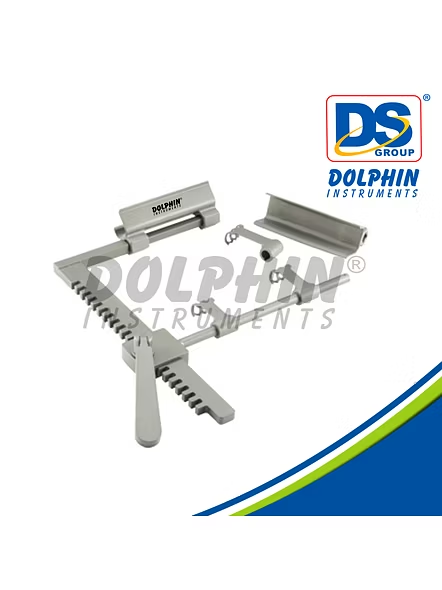
IMA RETRACTOR SET
An IMA retractor set is a surgical tool used in cardiothoracic surgery, particularly for Coronary Artery Bypass Grafting (CABG) procedures, to retract the sternum after a mid-sternotomy to provide access and visualization of the internal mammary artery. This specialized retractor, sometimes called a sternal retractor, has a self-retaining mechanism that expands the thoracic cavity, freeing the surgeon's hands to harvest the artery for the graft.
Cardiac and Thoracic Surgery:
The main use of an IMA retractor is in procedures involving the chest and heart.
CABG Procedures:
It is essential for harvesting the internal mammary artery (IMA) to be used as a graft in coronary artery bypass surgery.
Mid-Sternotomy Access:
It provides clear exposure of the thoracic cavity and internal organs after a mid-sternotomy (a surgical incision through the sternum).