



DOLPHIN SURGICAL Dolphin Surgical Industries stipulated in Thane District — 401105 INDIA. Our entire product is very systematically catalog for easy reference, Identification in order to maintain a high degree of quality & reliability, We have t...
- (+91) 7700933367
- dolphininstruments@hotmail.com
- Office No. 27 - 28, Ravi Raj Industries, Near Janseva Sahakari, Behind Dharam Kanta, Phatak Road, Bhayander East, Thane: 401105,, Mira Bhayandar, Maharashtra, India. 401105
© 2020 dolphin instruments. All Rights Reserved
General Surgical Instruments
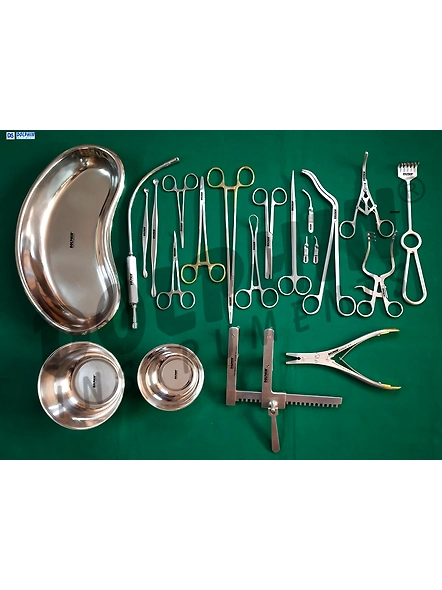
EXTRA INSTRUMENTS / SEPARATE PACK
Extra surgical instrument packs (or accessory packs) are pre-sterilized sets of specialized or backup instruments designed to enhance operating room efficiency, reduce contamination risks, and provide immediate, sterile access to additional tools during procedures. They are commonly used for unanticipated, complex, or emergency needs.
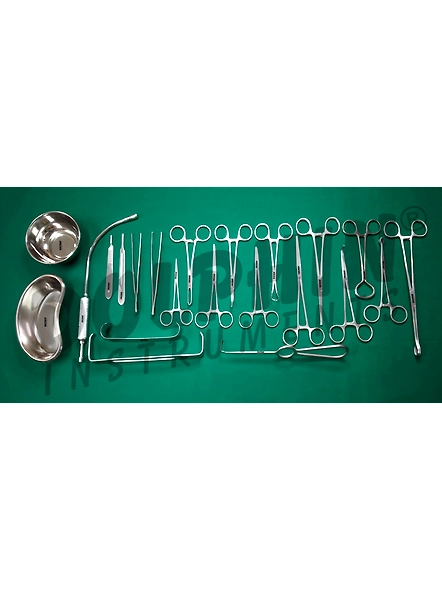
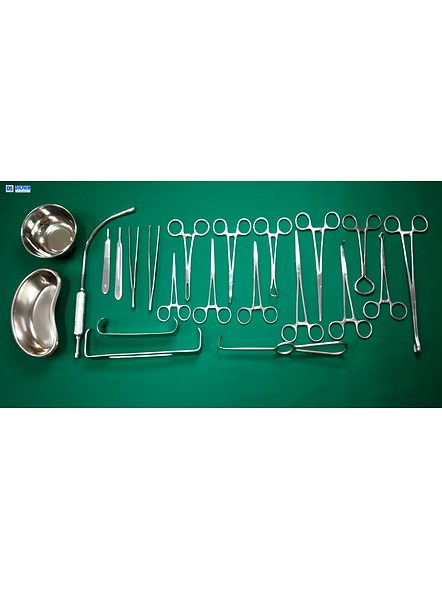
APPENDECTOMY SET
An appendectomy set is a specialized, high-grade stainless steel surgical kit containing tools for removing the appendix via open or laparoscopic procedures. Key uses include making incisions, dissecting tissue, clamping blood vessels, grabbing the cecum or appendix, and suturing, designed for treating appendicitis.
Babcock Tissue Forceps:
Specifically used to atraumatically grasp delicate tissues like the appendix or cecum.
Crile/Kelly Forceps (Hemostats):
Used to clamp blood vessels and tissues.
Scalpel Handles (No. 3/4):
Used for creating the surgical incision.
Mayo-Stille/Metzenbaum Scissors:
Used for dissecting dense or tough tissue.
Roux Retractors:
Used to enhance visualization of the surgical field, such as the peritoneum.
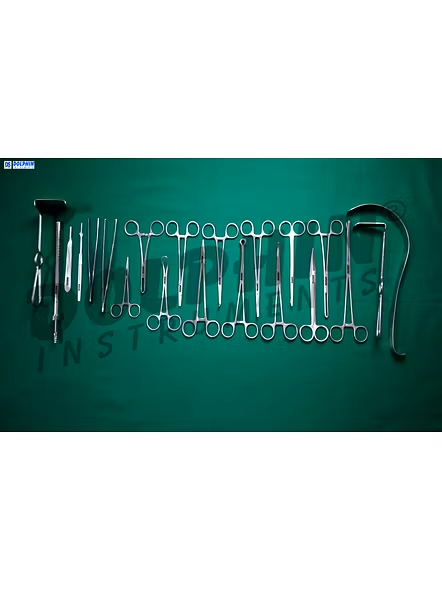
GASTRO INTESTINAL SET
A gastrointestinal (GI) set consists of specialized, high-grade stainless steel instruments designed for surgical procedures involving the stomach, intestines, and related organs, such as bowel resections, appendectomies, and colonoscopies. These tools are used for gripping, cutting, and suturing during delicate gastrointestinal surgeries.
Surgical Procedures:
Used in bowel surgery, colorectal surgery, and for treating stomach perforations or ulcers.
Endoscopic Procedures:
Facilitates diagnostic and therapeutic actions like polypectomy, colonoscopy, and enteroscopy.
Interventional Radiology:
Specific sets, such as T-fastener sets, anchor the stomach wall to the abdominal wall for feeding tube placement.
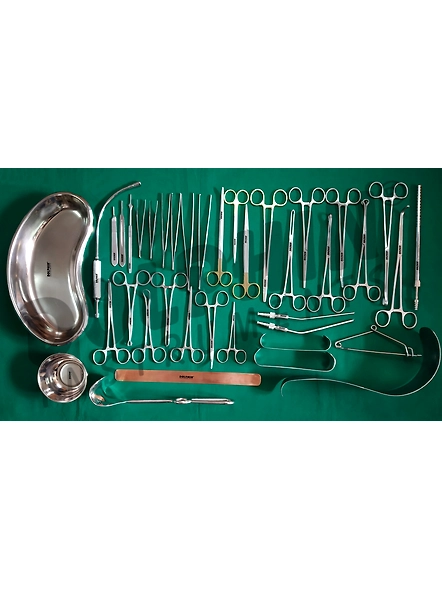
MAJOR BASIC SET
A Major Basic Surgical Instrument Set is a comprehensive,, reusable collection of stainless steel tools designed for major,, high-risk,, or invasive procedures, such as, abdominal,, thoracic,, or, orthopedic, surgeries. It includes instruments for cutting, dissection, tissue grasping, clamping, retracting, and suturing, used in hospitals for both open and laparoscopic cases.
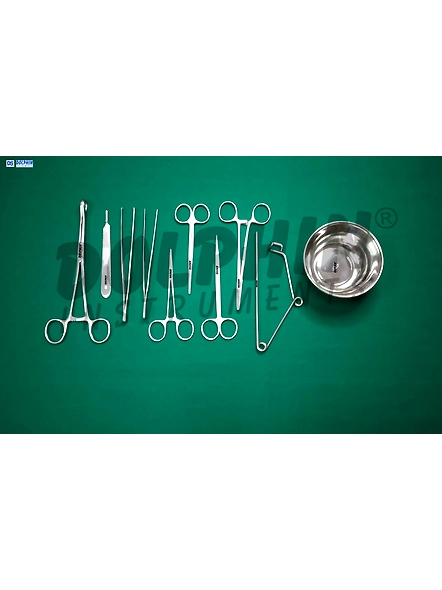
CUT DOWN AND VENOUS ACCESS SET
A venous cutdown set is used for the surgical, direct exposure and cannulation of a vein when percutaneous access (needle insertion) fails, typically in emergencies, severe shock, or when veins are collapsed. It provides rapid, reliable, and secure access for fluids, blood products, and medication in critical patients.
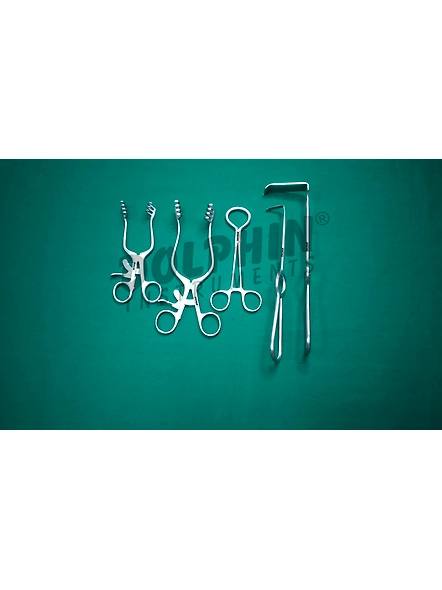
HERNIA SET
A hernia set is a specialized collection of medical-grade stainless steel instruments designed for the surgical repair of hernias, including inguinal, femoral, and umbilical types. These instruments are used in operating rooms for tissue dissection, manipulating the hernia sac, suturing, and securing hernia mesh to reinforce the abdominal wall.
Surgical Repair (Herniorrhaphy/Hernioplasty):
Used for open surgery to push protruding tissue back into the abdomen and repair the abdominal wall defect.
Tissue Handling and Dissection:
Includes instruments like scissors, forceps, and scalpels for precise, minimally traumatic tissue manipulation.
Hernia Sac Isolation:
Features specialized tools such as hernia ring forceps to isolate and expose the hernia sac.
Retraction:
Hernia retractors hold back incision edges to provide a clear view of the surgical site.
Mesh Fixation:
Used to place synthetic mesh that strengthens the abdominal wall and prevents recurrence.
Hydrocoelectomy:
Some sets are designed for combined hernia repair and hydrocele (fluid sac in testicles) removal.
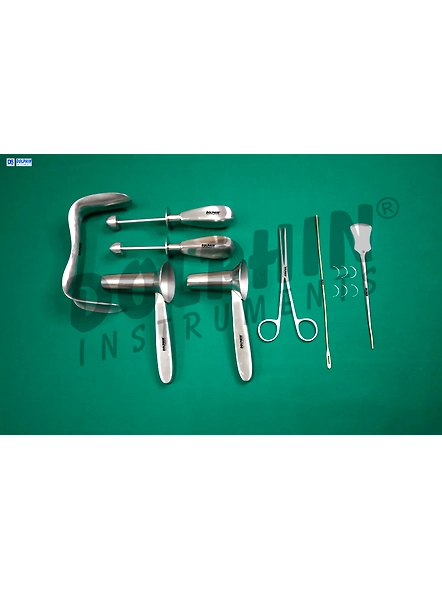
PILES SURGERY SET
A pediatric laparotomy set is a specialized, stainless steel, autoclavable collection of surgical instruments designed for open abdominal surgeries in infants and children. It is used for procedures like appendectomies, hernia repairs, tumor excisions, and trauma management, allowing for safe tissue cutting,, dissection, clamping, and retraction.
Exploratory Laparotomy:
Diagnosing and treating abdominal issues in children.
Emergency Surgery:
Handling blunt/penetrating trauma, acute bleeding, or sepsis.
General Pediatric Procedures:
Appendectomies, bowel repairs, and tumor removals.
Tissue Handling:
Clamping vessels and cutting tissue with precision-sized tools for small anatomy.
MICRO SET
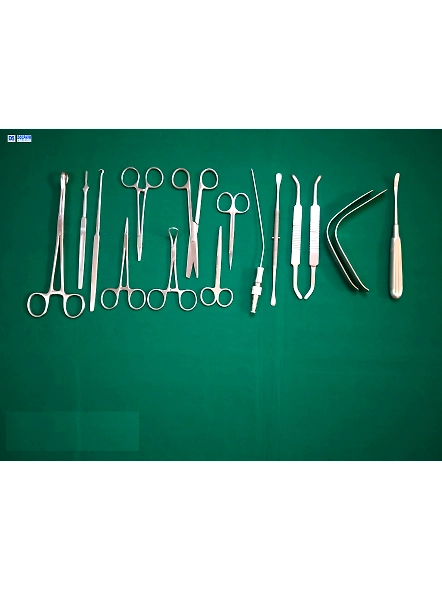
Micro instrument sets contain highly specialized, miniature tools designed for procedures under magnification, such as neurosurgery, ophthalmology, and vascular repair. They enable precise manipulation, cutting, and suturing of tiny structures like nerves and blood vessels, featuring ergonomic designs to improve control and reduce hand fatigue.
Micro Forceps (e.g., Jeweler's, Tying):
Used for grasping, holding, and manipulating delicate tissues or suturing materials without causing trauma.
Micro Scissors (e.g., Westcott, Castroviejo):
Extremely sharp blades designed for precise, fine dissection, vessel cutting, or trimming sutures.
Micro Needle Holders (e.g., Barraquer, Castroviejo):
Feature fine tips and, often, a locking mechanism to securely hold micro-sutures for vascular or neural anastomosis.
Micro Clamps and Approximators:
Temporary, low-pressure clamps designed to halt blood flow in tiny vessels during repair, protecting the vessel intima.
Micro Dissectors and Elevators:
Used for separating tissues, elevating membranes, or cleaning surgical sites in confined areas.
MINOR PROCEDURE SET
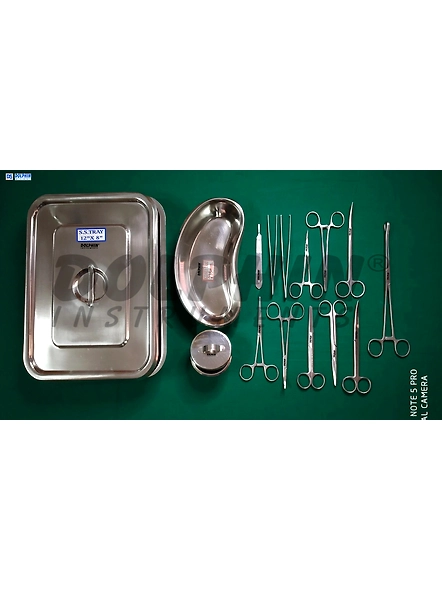
A minor procedure set is a collection of, often, single-use or autoclavable stainless steel instruments designed for low-risk, superficial surgical tasks, typically under local anesthesia in outpatient settings. These sets are primarily used for wound suturing, tissue biopsies, removing foreign objects, draining abscesses, and excising small skin lesions.
SHUNT PASSERS
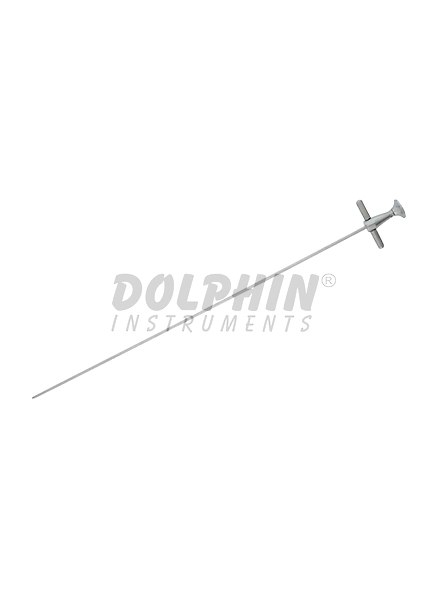
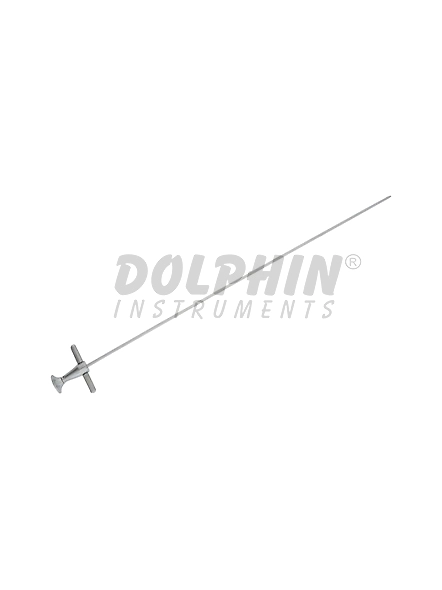
A shunt passer is a specialized, often malleable, surgical tool used in neurosurgery to create a subcutaneous tunnel for passing shunt catheters (tubing) between incisions, primarily during ventriculoperitoneal (VP) or lumboperitoneal shunt procedures. It minimizes surgical time, reduces the need for multiple incisions, and helps prevent valve reversal by allowing accurate tunneling.
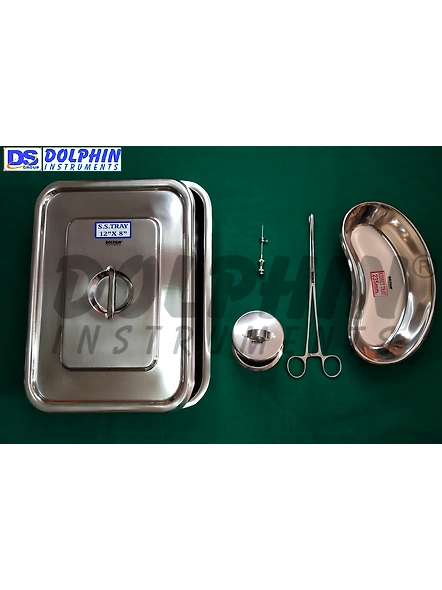
ASPIRATION SET
Aspiration sets, including gynecological, cardiovascular, and fluid-handling kits, are specialized medical tools designed for the safe, efficient removal of tissues or fluids from the body. Key uses include uterine aspiration for abortion or endometrial sampling, thrombectomy for removing clots in arteries, and diagnostic fine-needle biopsies of cysts or lumps.
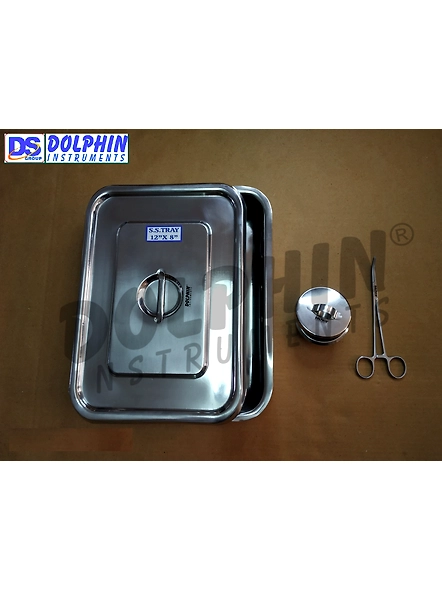
BONE MARROW SET
A bone marrow set (containing aspiration and biopsy needles) is used to collect liquid marrow or core tissue samples to diagnose, stage, and monitor blood disorders and cancers like leukemia, lymphoma, and myelofibrosis. These sets are essential for assessing treatment effectiveness and harvesting stem cells for transplants.
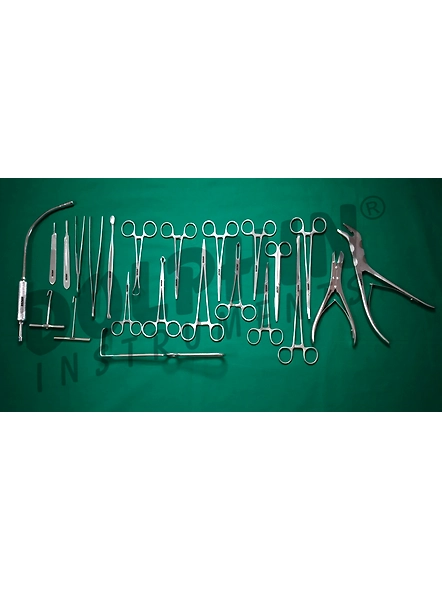
AMPUTATION SET
The two main types of amputations can refer to the surgical technique (open/guillotine vs. closed/flap) or the level/extent (major vs. minor, or upper vs. lower limb), with modern classifications focusing more on the specific limb part removed (e.g., toe, below-knee, above-knee) to aid rehabilitation and prosthetic fitting.