



DOLPHIN SURGICAL Dolphin Surgical Industries stipulated in Thane District — 401105 INDIA. Our entire product is very systematically catalog for easy reference, Identification in order to maintain a high degree of quality & reliability, We have t...
- (+91) 7700933367
- dolphininstruments@hotmail.com
- Office No. 27 - 28, Ravi Raj Industries, Near Janseva Sahakari, Behind Dharam Kanta, Phatak Road, Bhayander East, Thane: 401105,, Mira Bhayandar, Maharashtra, India. 401105
© 2020 dolphin instruments. All Rights Reserved
Surgical Instruments Set
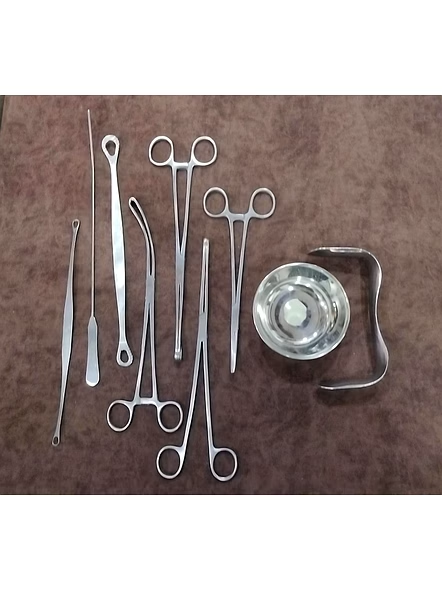
MTP INSTRUMENTS SET ( MEDICAL TERMINATION OF PREGNANCY )
Mayo Scissor Curved 7"
Needle Holder 7" Tc Inserts
Sponge Holder 10"
Sponge Holder 10" Rampley
Allis Forceps 8"
Ovum Forceps
Anterior Vaginal Wall Retractor
Double Ended Curette Set Of 4
Uterine Sound
M.T.P. Cannula
Sim's Speculum
Sim's Speculum
BullDog Vallsulum Forceps 2 X 2 Teeth
Female Dilator Set Of 10
Pean Artery Forceps Straight 7"
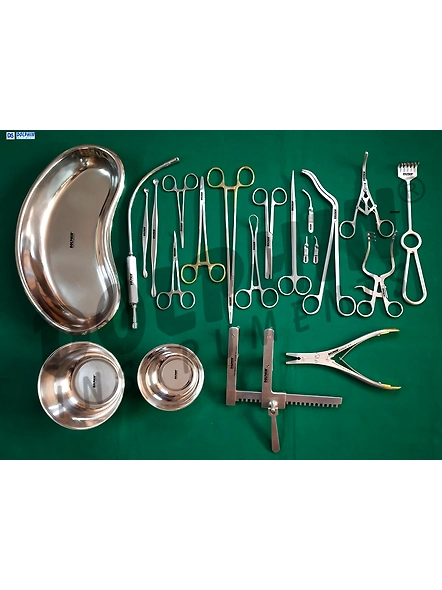
EXTRA INSTRUMENTS / SEPARATE PACK
Extra surgical instrument packs (or accessory packs) are pre-sterilized sets of specialized or backup instruments designed to enhance operating room efficiency, reduce contamination risks, and provide immediate, sterile access to additional tools during procedures. They are commonly used for unanticipated, complex, or emergency needs.
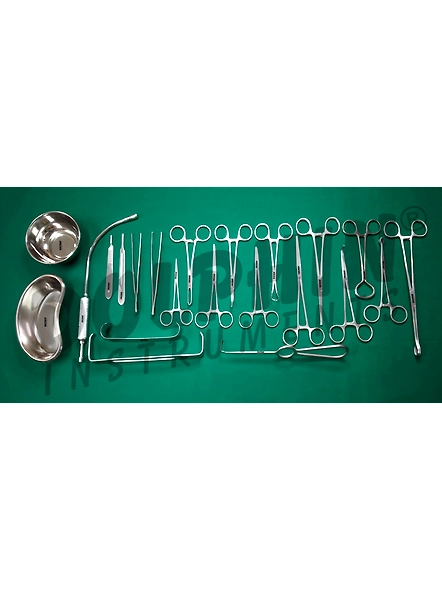
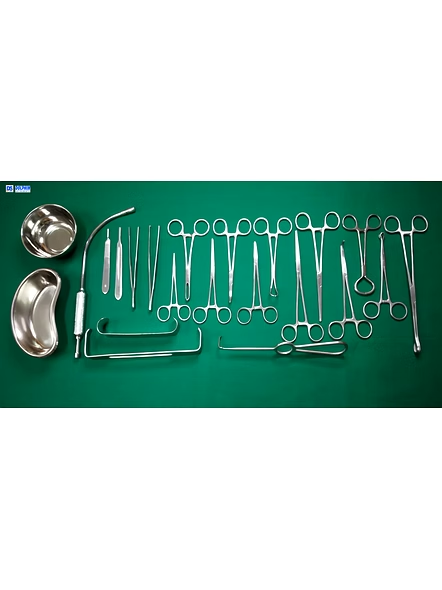
APPENDECTOMY SET
An appendectomy set is a specialized, high-grade stainless steel surgical kit containing tools for removing the appendix via open or laparoscopic procedures. Key uses include making incisions, dissecting tissue, clamping blood vessels, grabbing the cecum or appendix, and suturing, designed for treating appendicitis.
Babcock Tissue Forceps:
Specifically used to atraumatically grasp delicate tissues like the appendix or cecum.
Crile/Kelly Forceps (Hemostats):
Used to clamp blood vessels and tissues.
Scalpel Handles (No. 3/4):
Used for creating the surgical incision.
Mayo-Stille/Metzenbaum Scissors:
Used for dissecting dense or tough tissue.
Roux Retractors:
Used to enhance visualization of the surgical field, such as the peritoneum.
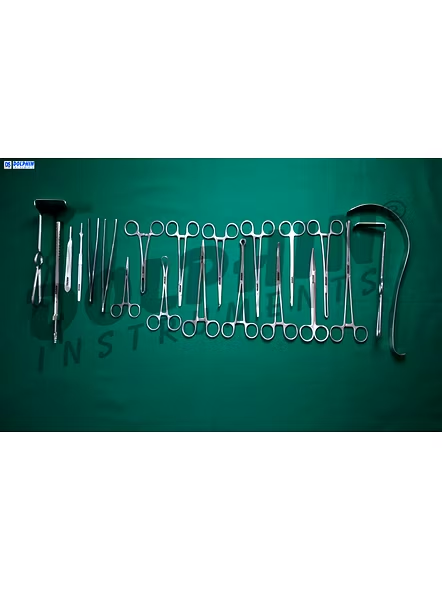
GASTRO INTESTINAL SET
A gastrointestinal (GI) set consists of specialized, high-grade stainless steel instruments designed for surgical procedures involving the stomach, intestines, and related organs, such as bowel resections, appendectomies, and colonoscopies. These tools are used for gripping, cutting, and suturing during delicate gastrointestinal surgeries.
Surgical Procedures:
Used in bowel surgery, colorectal surgery, and for treating stomach perforations or ulcers.
Endoscopic Procedures:
Facilitates diagnostic and therapeutic actions like polypectomy, colonoscopy, and enteroscopy.
Interventional Radiology:
Specific sets, such as T-fastener sets, anchor the stomach wall to the abdominal wall for feeding tube placement.
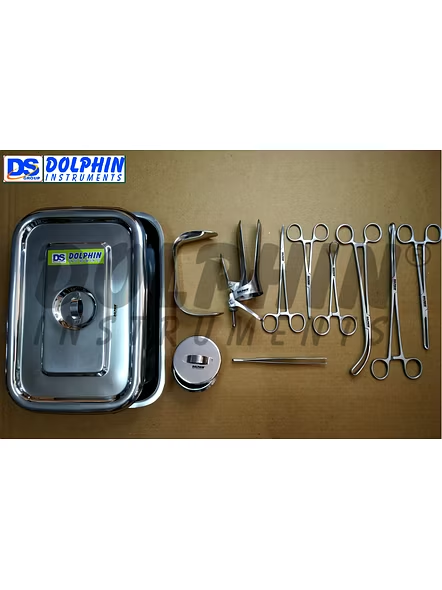
HYSTEROSALPINGOGRAPHY & FALLOPIAN TUBE RECANALIZATION (HSG / FTR PROCEDURE SET)
The Hysterosalpingography & Fallopian Tube Recanalization (HSG / FTR) Procedure Set is a specialized, minimally invasive medical tool kit designed to diagnose and treat female infertility caused by blocked fallopian tubes.
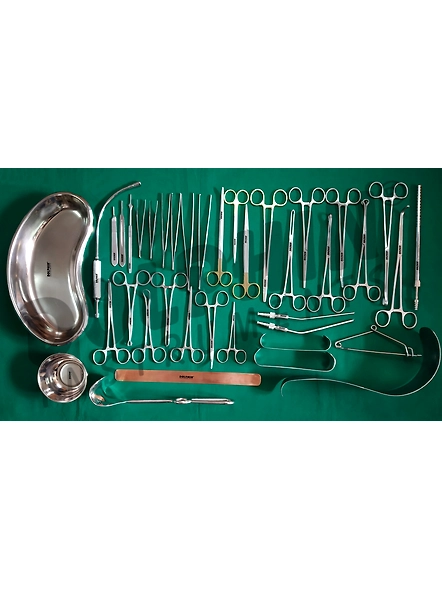
MAJOR BASIC SET
A Major Basic Surgical Instrument Set is a comprehensive,, reusable collection of stainless steel tools designed for major,, high-risk,, or invasive procedures, such as, abdominal,, thoracic,, or, orthopedic, surgeries. It includes instruments for cutting, dissection, tissue grasping, clamping, retracting, and suturing, used in hospitals for both open and laparoscopic cases.
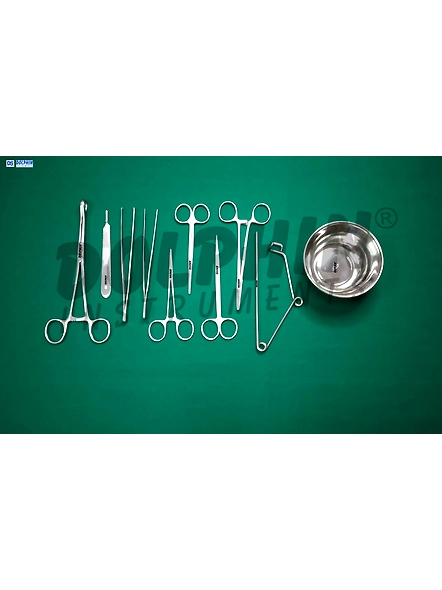
CUT DOWN AND VENOUS ACCESS SET
A venous cutdown set is used for the surgical, direct exposure and cannulation of a vein when percutaneous access (needle insertion) fails, typically in emergencies, severe shock, or when veins are collapsed. It provides rapid, reliable, and secure access for fluids, blood products, and medication in critical patients.
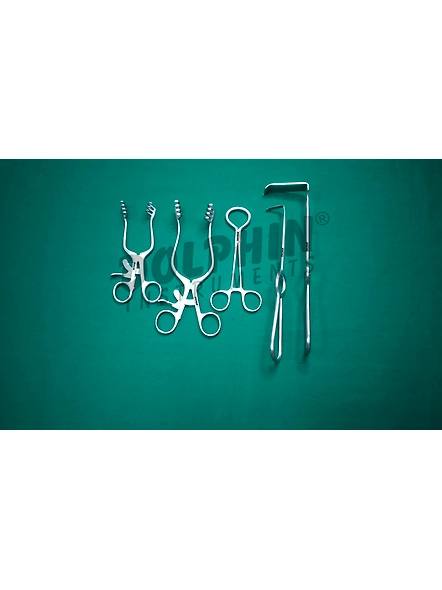
HERNIA SET
A hernia set is a specialized collection of medical-grade stainless steel instruments designed for the surgical repair of hernias, including inguinal, femoral, and umbilical types. These instruments are used in operating rooms for tissue dissection, manipulating the hernia sac, suturing, and securing hernia mesh to reinforce the abdominal wall.
Surgical Repair (Herniorrhaphy/Hernioplasty):
Used for open surgery to push protruding tissue back into the abdomen and repair the abdominal wall defect.
Tissue Handling and Dissection:
Includes instruments like scissors, forceps, and scalpels for precise, minimally traumatic tissue manipulation.
Hernia Sac Isolation:
Features specialized tools such as hernia ring forceps to isolate and expose the hernia sac.
Retraction:
Hernia retractors hold back incision edges to provide a clear view of the surgical site.
Mesh Fixation:
Used to place synthetic mesh that strengthens the abdominal wall and prevents recurrence.
Hydrocoelectomy:
Some sets are designed for combined hernia repair and hydrocele (fluid sac in testicles) removal.
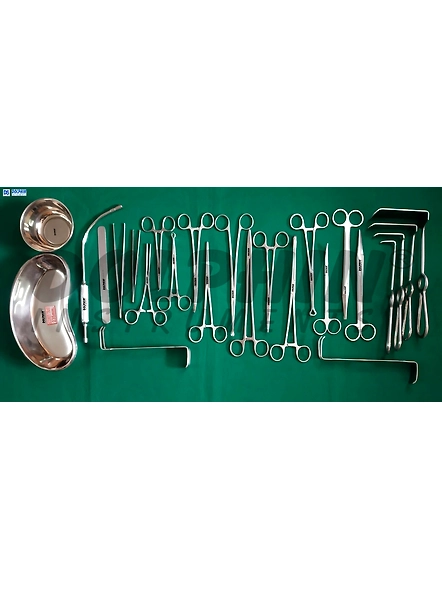
LAPAROTOMY SURGERY SET
A laparotomy surgery set is a comprehensive collection of high-grade stainless steel instruments designed for open abdominal procedures, such as tumor resections, gastrointestinal surgeries, and exploratory procedures. It typically includes, but is not limited to, scalpels, various scissors (Metzenbaum, Mayo), forceps (DeBakey, Allis, Babcock), retractors (Richardson, Army-Navy), needle holders, and clamps.
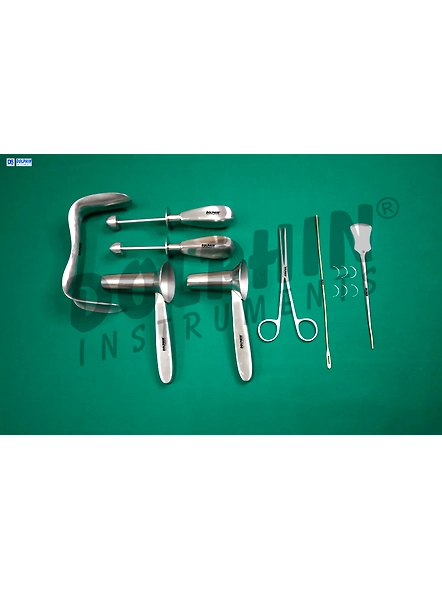
PILES SURGERY SET
A pediatric laparotomy set is a specialized, stainless steel, autoclavable collection of surgical instruments designed for open abdominal surgeries in infants and children. It is used for procedures like appendectomies, hernia repairs, tumor excisions, and trauma management, allowing for safe tissue cutting,, dissection, clamping, and retraction.
Exploratory Laparotomy:
Diagnosing and treating abdominal issues in children.
Emergency Surgery:
Handling blunt/penetrating trauma, acute bleeding, or sepsis.
General Pediatric Procedures:
Appendectomies, bowel repairs, and tumor removals.
Tissue Handling:
Clamping vessels and cutting tissue with precision-sized tools for small anatomy.
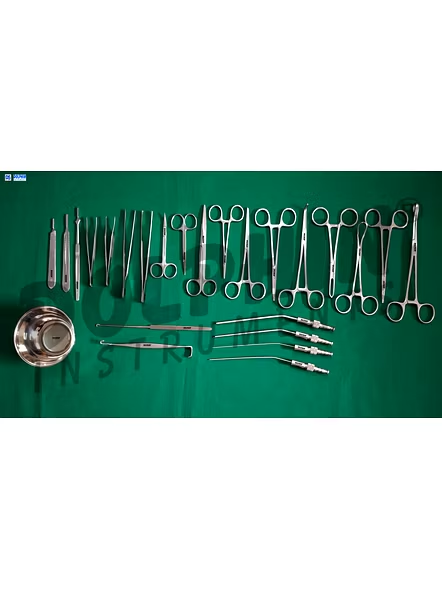
PLASTIC SURGERY SET
A plastic surgery instrument set is a specialized collection of high-precision, medical-grade stainless steel tools designed for delicate tissue manipulation, precise incisions, and reconstructive, cosmetic procedures. These tools, including fine forceps, scalpels, and retractors, are used for facelifts, rhinoplasty, skin grafts, breast surgery, and scar revision.
Incisions & Dissection:
Fine-tipped scalpels (often #11, #15 blades) and delicate scissors (e.g., Metzenbaum, iris scissors) are used for making precise, hidden incisions and dissecting tissues.
Tissue Handling:
Delicate tissue forceps (e.g., Adson, DeBakey) and skin hooks (e.g., Joseph, Gillies) are used to grasp, lift, and manipulate skin and underlying tissue with minimal trauma.
Visualization & Exposure:
Small, specialized retractors (e.g., Senn, Rake, Aufricht) provide clear visibility in small or superficial operating fields.
Skin Grafting:
Dermatomes (manual or electric) and skin meshers are used to harvest and prepare skin grafts for covering wounds.
Closure & Suturing:
Needle holders and fine-gauge, often non-dissolvable sutures (\(6-0\) nylon) are used for meticulous, precise wound closure to minimize scarring.
Liposuction & Remodeling:
Specialized, thin cannulas and suction tools remove fat, while instruments like rasps are used for bone or cartilage reshaping.
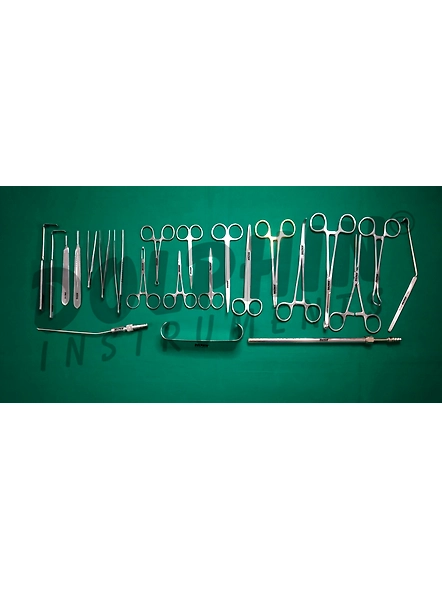
PEDIATRIC LAPAROTOMY SET
A pediatric laparotomy set is a specialized, smaller-scale collection of surgical instruments designed for open abdominal surgery in children and neonates. Used for procedures like tumor removal, intestinal resection, appendectomy, and trauma, this set enables precise tissue dissection, retraction, and closure.
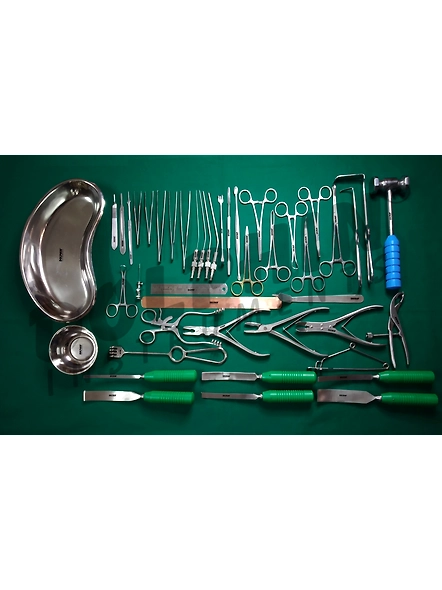
MINOR ORTHO SET
A Minor Ortho Set is a specialized collection of high-grade stainless steel instruments designed for routine orthopedic procedures, including minor fracture reductions, soft tissue surgeries, bone plating, tendon repairs, and joint procedures. These sets are used in emergency rooms, clinics, and operating rooms for tasks like cutting, grasping, retracting, and fixing bone or soft tissue.
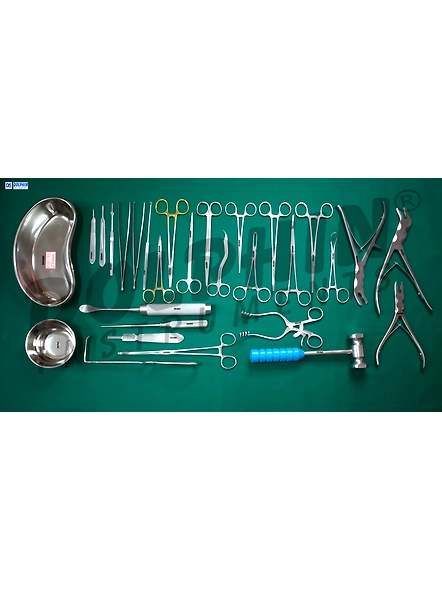
MAJOR ORTHO SET
A Major Ortho Set is a comprehensive collection of stainless steel surgical instruments designed for complex orthopedic procedures, including fracture fixation (ORIF), joint reconstruction, and spinal surgery. These, specialized tools, such as bone retractors, osteotomes, drill guides, and reduction forceps, are used to manipulate, cut, or fix bone, ligaments, and tendons.
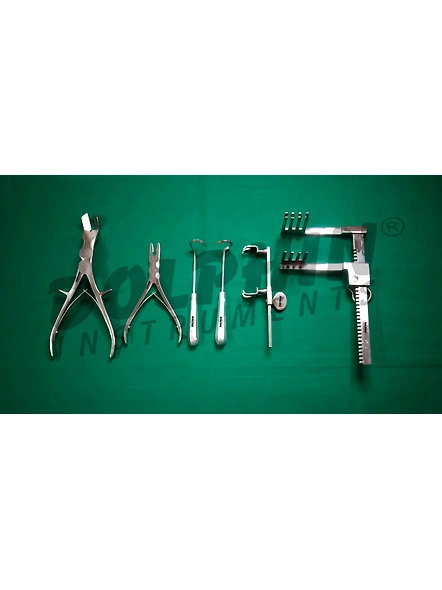
RIB RESECTION SET
A rib resection set is a specialized surgical tool kit used to remove part of a rib, primarily to treat thoracic outlet syndrome (TOS), improve surgical access (thoracotomy), or treat tumors. The instruments minimize tissue damage, enhance visualization during, and facilitate procedures such as first-rib, or scalene muscle, resection.
Rib Cutters/Shears:
Councilman or similar shears used to break or cut through the rib bone.
Periosteal Elevators:
Such as Sedillot or Doyen tools to separate the muscle and periosteum from the bone.
Rib Contractors/Approximators:
Used for holding or moving ribs.
Retractors:
Specifically designed to widen spaces between ribs, such as Finochietto retractors.
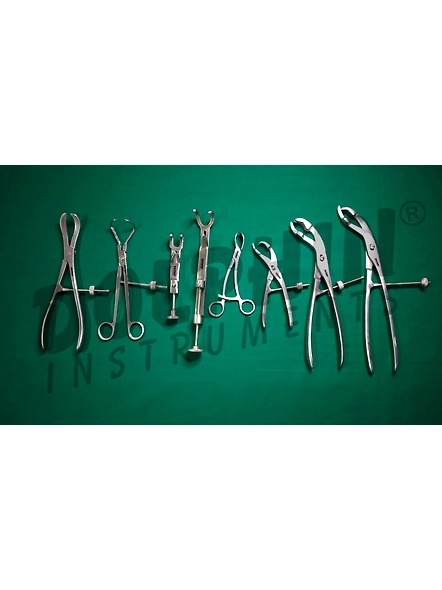
BONE HOLDING SET
A bone holding set consists of specialized orthopedic forceps and clamps designed to securely grasp, align, and stabilize bone fragments during surgical procedures. They are primarily used in fracture reduction, bone realignment, and plating, providing a firm, non-slip hold to facilitate precise fixation and minimize tissue damage.
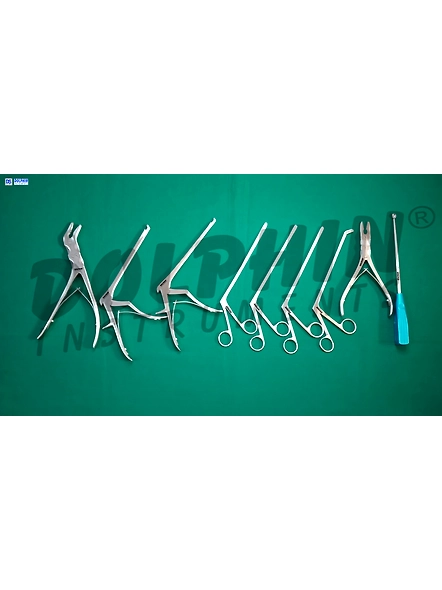
SPINE INSTRUMENT SET
Spine instrument sets are specialized, organized collections of surgical tools—including pedicle screws, rods, distractors, and probes—designed to facilitate precise spinal procedures. They are primarily used to treat degenerative disc disease, scoliosis, fractures, and tumors through spinal fusion, decompression, and deformity correction, ensuring increased stability, reduced trauma, and faster recovery.
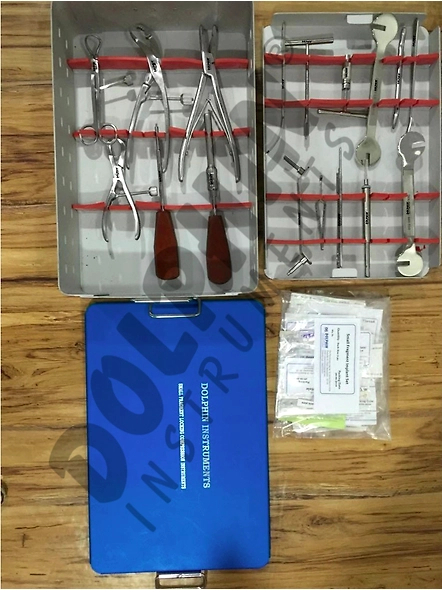
LC DCP ( Limited Contact Dynamic Compression Plate ) AND DCP (Dynamic Compression Plate) Basic Instrument Set
LC-DCP and DCP instrument sets are essential for open reduction and internal fixation (ORIF) of long bone fractures (femur, tibia, humerus, radius, ulna) by enabling anatomical reduction, compression, and stabilization. The sets facilitate dynamic compression to enhance stability, specifically designed for 3.5mm or 4.5mm cortical screws, reducing periosteal damage and enhancing healing.
Fracture Fixation:
Used for stabilizing diaphyseal fractures, nonunions, and malunions in adult patients.
Dynamic Compression:
The oval-shaped, inclined holes in the plates allow for compression at the fracture site when screws are tightened.
Reduced Vascular Damage (LC-DCP):
Undercuts in the LC-DCP design limit contact between the plate and the periosteum, minimizing damage to blood supply compared to traditional DCP.
Versatility:
The plates act as compression, neutralization, or tension band plates.
Contouring:
The system allows for smooth plate contouring to fit bone anatomy.
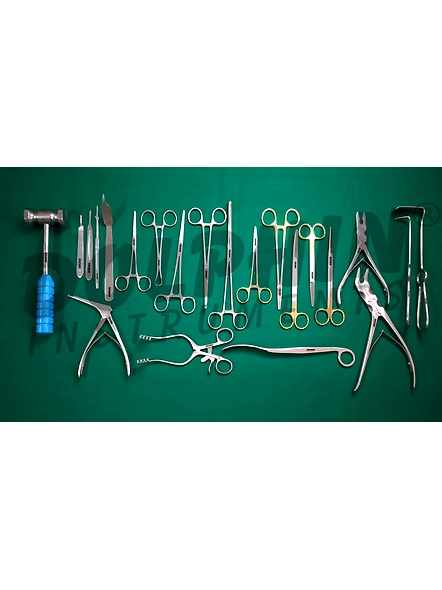
TOTAL KNEE REPLACEMENT AND TOTAL HIP REPLACEMENT (T.K.R. AND T.H.R. INSTRUMENTS SET - A)
Total Knee (TKR) and Total Hip Replacement (THR) instruments (Set-A) are specialized orthopedic tools used to remove damaged bone/cartilage and implant prosthetic joints to relieve severe arthritis pain and restore joint function. These, including saws, guides, reamers, and trackers, ensure precise bone resection and implant alignment.
Joint Exposure:
Specialized retractors and soft tissue protectors expose the hip or knee joint.
Bone Resection:
Saws and cutting guides are used to remove damaged cartilage and bone, ensuring accurate cuts for the femoral condyles and tibial plateau.
Implant Positioning:
Reamers are used to shape the acetabulum (hip socket), while tibial and femoral guides ensure proper alignment.
Trialing:
Trial components are inserted to test the stability and range of motion before final implantation.
Component Insertion:
Specialized impactors and inserters are used to place the final metal and polyethylene components into the bone, often using cement.
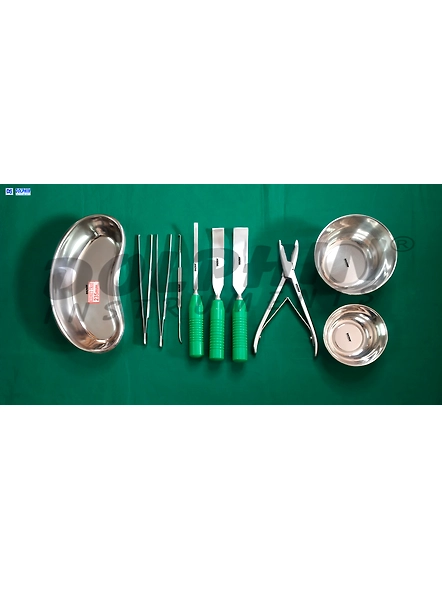
T.K.R. (TOTAL KNEE REPLACEMENT) AND T.H.R. (TOTAL HIP REPLACEMENT) INSTRUMENT SET-B
T.K.R. (Total Knee Replacement) and T.H.R. (Total Hip Replacement) Instrument Set-B is a specialized, comprehensive set of surgical tools designed for orthopedic surgeons to perform joint reconstruction with enhanced precision, efficiency, and safety. These instruments enable accurate bone resection, component sizing, and alignment for optimal, long-lasting implant placement.
Accurate Bone Resection (Cutting):
Used for removing damaged bone surfaces in the femur and tibia (TKR) or acetabulum and femoral head (THR), using guides, saws, and reamers to ensure precise angles.
Implant Sizing and Trialing:
Instruments like trial components are used to test the fit and range of motion of the knee or hip implant before final placement.
Component Positioning:
Specialized jigs and guide systems are used to align, rotate, and set the tibial plateau, tibial bearing, and femoral components.
Soft Tissue Management:
Includes specialized retractors, graspers, and rongeurs for managing ligaments, removing posterior osteophytes (bone spurs) in the knee, or removing the labrum in hip procedures.
Streamlined Workflow:
Set-B, often used in conjunction with "Set A" or as a dedicated, smaller, and more efficient tray, reduces the number of instruments needed, lowering sterilization costs and optimizing operating room time.
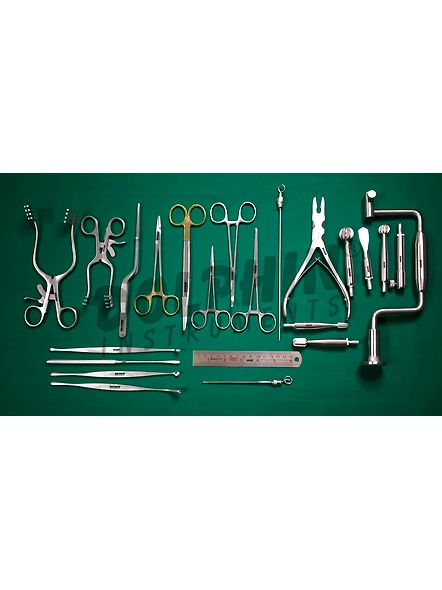
BURR HOLE SET
A burr hole set is used in neurosurgery to drill small, precise holes into the skull to relieve intracranial pressure, drain blood or fluid, and access the brain for treatments like removing foreign objects, treating subdural hematomas, or placing shunts. These minimally invasive procedures are essential in emergency cases of trauma or fluid buildup.
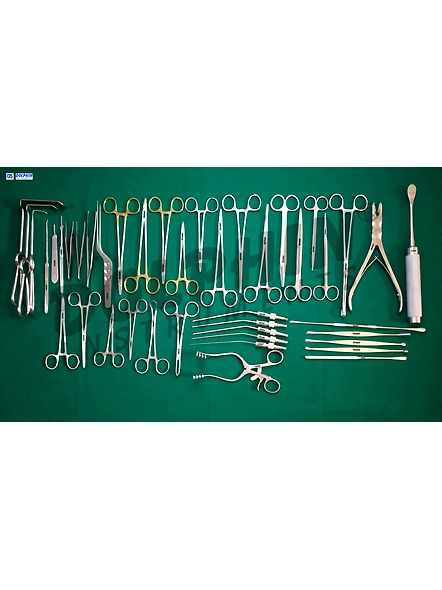
LAMINECTOMY SET
A laminectomy set is a specialized collection of surgical instruments designed for spinal decompression procedures, specifically removing the lamina to relieve pressure on the spinal cord or nerve roots. These tools are used in hospitals for treating conditions like spinal stenosis, herniated discs, tumors, and fractures, offering high precision and reducing tissue damage.
Spinal Decompression:
The primary purpose is to remove the lamina (back part of a vertebra) to create more space in the spinal canal.
Treating Spinal Stenosis:
Relieves pressure on nerves caused by narrowing of the spinal canal.
Herniated Disc Repair:
Allows access to remove herniated or bulging intervertebral discs.
Tumor and Infection Removal:
Used to safely access and remove spinal tumors or abscesses.
Fracture Management:
Used in surgical interventions for spinal fractures.
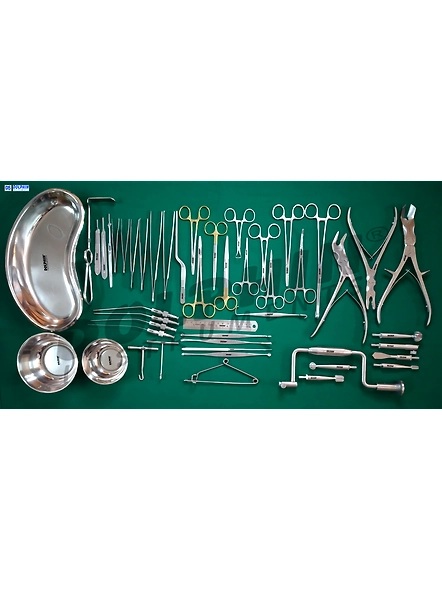
NEURO MICRO INSTRUMENT SET
A neuro micro instrument set (also called a microsurgical neuro set) is a collection of very fine, delicate surgical tools designed specifically for neurosurgery and other procedures that require extreme precision under magnification (microscope or surgical loupes). These instruments are typically used on very small, sensitive tissues such as nerves, blood vessels, and neural
structures.
Microsurgical Neurosurgery
Removal of brain tumors with minimal damage to surrounding tissue.
Treatment of arteriovenous malformations (AVMs) and aneurysms.
Microdissection around delicate neural structures.
Repair of cranial nerves.
Spinal Surgery
Decompression of spinal cord and nerve roots.
Micro-foraminotomy and micro-discectomy.
Repair of nerve roots.
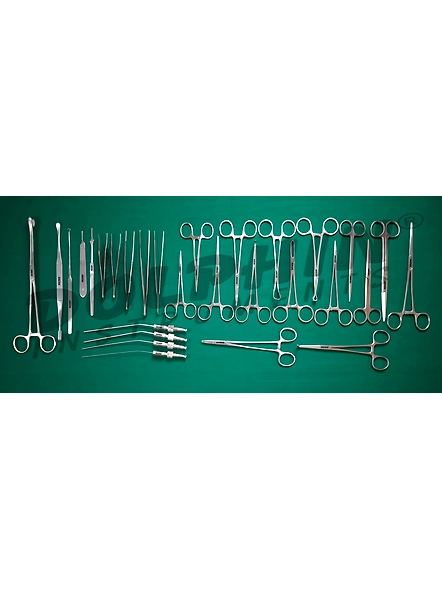
TRANSORAL SET
A TRANSORAL SET is a specialized, minimally invasive instrumentation system used by surgeons to access and treat tumors of the mouth, throat, base of tongue, and tonsils through the mouth without external incisions. It offers superior precision, reduced recovery time, and improved functional outcomes for patients.
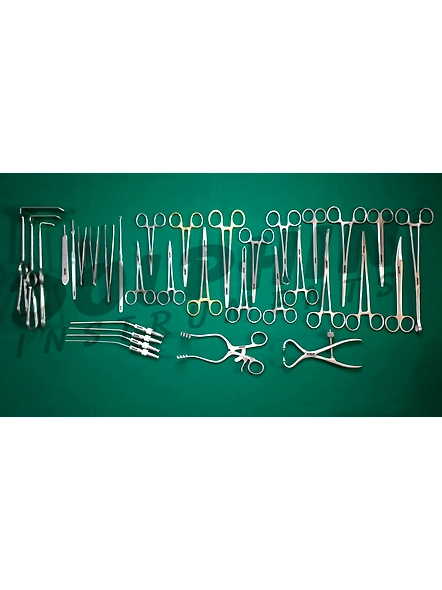
ANTERIOR CERVICAL SET
An Anterior Cervical Set is a specialized surgical instrument set used for procedures performed on the cervical spine (neck) through the anterior/front approach.
1. ACDF (Anterior Cervical Discectomy & Fusion)
Removal of herniated or degenerated disc
Decompression of spinal cord & nerve roots
Placement of bone graft and cervical plate
2. Cervical Disc Replacement
Removal of damaged disc
Insertion of artificial cervical disc
3. Cervical Decompression
Treatment of:
Cervical spondylosis
Cervical stenosis
Radiculopathy
Myelopathy
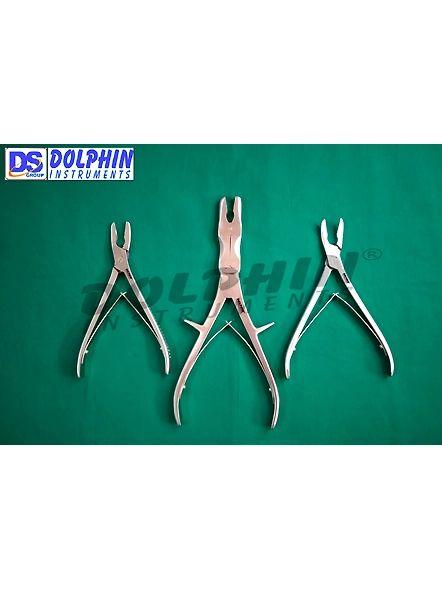
BONE NIBBLER SET
The Bone Nibbler is a surgical instrument used for trimming and shaping bone during orthopedic procedures. It features a sharp, strong jaw designed for controlled bone removal. Available in straight and curved types, the Bone Nibbler ensures precision and efficiency during surgery.
A bone nibbler is used in orthopedic surgery for precise removal and shaping of bone. It's ideal for trimming irregular bone edges, excising bone fragments, and preparing bone surfaces for grafts or implants. its comes in different size and shapes as per surgical requirement.
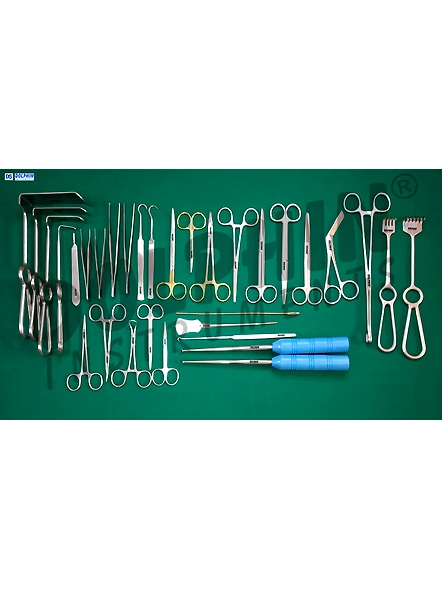
BASIC PLASTIC SURGERY SET
A basic plastic surgery set contains specialized, delicate, and stainless-steel instruments designed for precise tissue manipulation, cutting, and suturing in reconstructive and cosmetic procedures. Key instruments include Adson/Gillies forceps for holding tissue, delicate scissors (Iris, Mayo) for dissection, and needle holders for suturing.
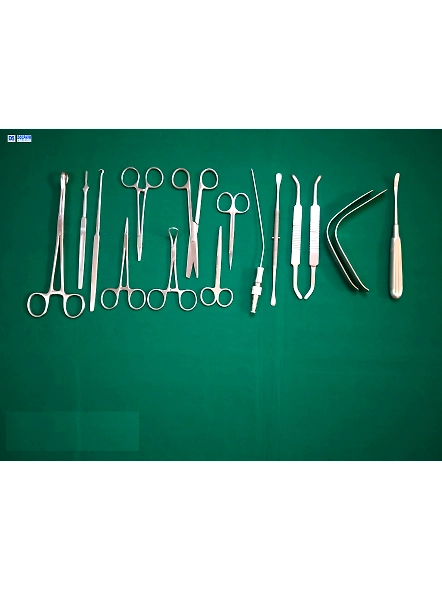
MICRO SET
Micro instrument sets contain highly specialized, miniature tools designed for procedures under magnification, such as neurosurgery, ophthalmology, and vascular repair. They enable precise manipulation, cutting, and suturing of tiny structures like nerves and blood vessels, featuring ergonomic designs to improve control and reduce hand fatigue.
Micro Forceps (e.g., Jeweler's, Tying):
Used for grasping, holding, and manipulating delicate tissues or suturing materials without causing trauma.
Micro Scissors (e.g., Westcott, Castroviejo):
Extremely sharp blades designed for precise, fine dissection, vessel cutting, or trimming sutures.
Micro Needle Holders (e.g., Barraquer, Castroviejo):
Feature fine tips and, often, a locking mechanism to securely hold micro-sutures for vascular or neural anastomosis.
Micro Clamps and Approximators:
Temporary, low-pressure clamps designed to halt blood flow in tiny vessels during repair, protecting the vessel intima.
Micro Dissectors and Elevators:
Used for separating tissues, elevating membranes, or cleaning surgical sites in confined areas.
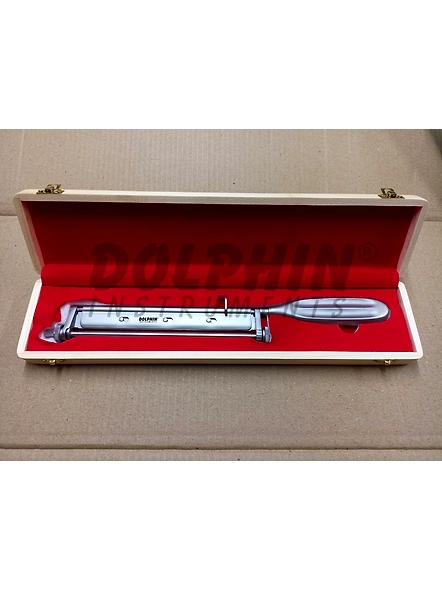
SKIN GRAFTING HANDLE
A skin grafting handle is a surgical instrument used to securely hold, control, and manipulate a blade while harvesting thin, precise layers of healthy skin (donor skin) for transplantation. It is primarily used by surgeons in reconstructive, plastic, and orthopedic procedures to treat burns, chronic wounds, and severe skin loss.
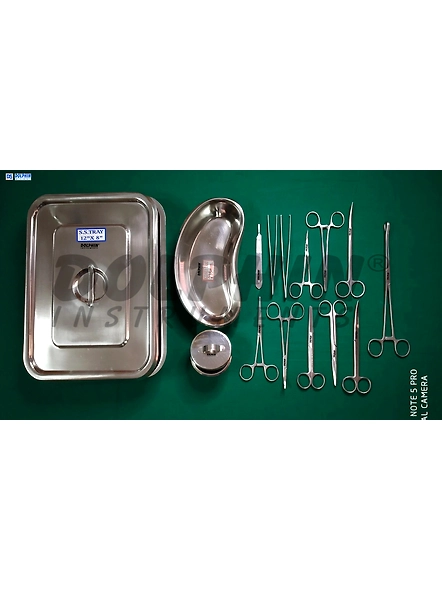
MINOR PROCEDURE SET
A minor procedure set is a collection of, often, single-use or autoclavable stainless steel instruments designed for low-risk, superficial surgical tasks, typically under local anesthesia in outpatient settings. These sets are primarily used for wound suturing, tissue biopsies, removing foreign objects, draining abscesses, and excising small skin lesions.

PACEMAKER SET
Features:
- Made from premium-grade materials
- Designed for surgical precision
- Easy to handle and sterilize
- Widely used in operating rooms
- Trusted by medical professionals
Attributes:
- Brand: DOLPHIN INSTRUMENTS
- Finish: Corrosion-resistant
- Material: Stainless Steel
- Sterilization: Autoclave safe
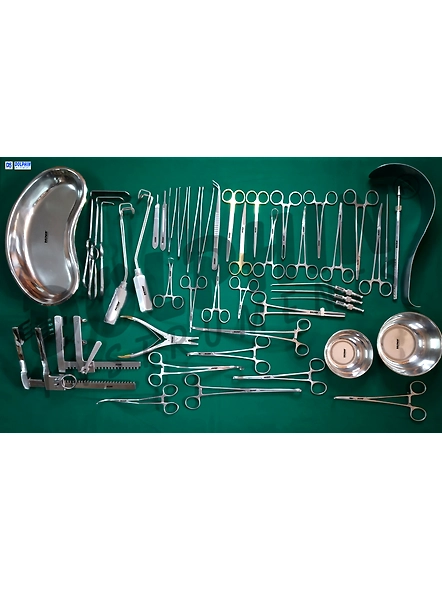
OPEN HEART GENERAL SET
An open-heart general set is a comprehensive collection of specialized, high-precision surgical instruments, including retractor systems, forceps, scissors, and clamps designed for sternotomy, valve repair/replacement, and coronary artery bypass grafting (CABG). It is used to access and operate on the heart, ensuring stability, access, and safety during complex cardiothoracic procedures.
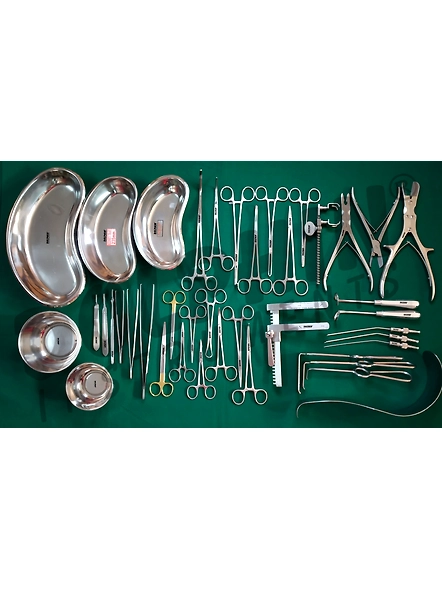
THORACOTOMY SET
A thoracotomy set is a specialized collection of high-grade stainless steel surgical instruments designed for open-chest surgery, facilitating direct access to the lungs, heart, esophagus, and thoracic aorta. These instruments are used for procedures like lung resections, cardiac repair, trauma management, and emergency interventions.
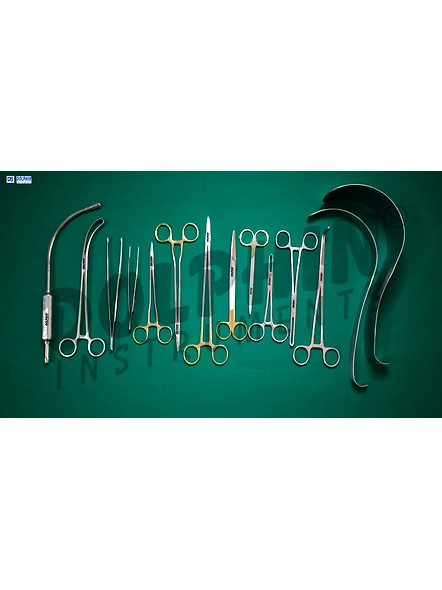
VALVE SET
Valve surgical instrument sets are specialized tools used primarily for repairing or replacing heart valves (aortic, mitral, tricuspid, pulmonary) in open-heart and minimally invasive cardiothoracic procedures. These instruments enable precise tissue manipulation, retraction, and suturing during valve repairs, replacements, and vascular anastomoses.
Heart Valve Replacement/Repair:
Instruments like calipers, specialized forceps, and needle holders are used to remove damaged valves and implant mechanical or biological prosthetics.
Minimally Invasive Valve Surgery:
Specially designed long-shafted instruments (7–11 inches) and mini-thoracotomy retractors facilitate access through small incisions.
Tissue Manipulation:
Atrium retractors (e.g., V-shaped blades) and delicate, atraumatic forceps (e.g., DeBakey) are used for handling cardiac tissue without causing injury.
Vascular Clamping and Suturing: .
Specialized forceps, scissors (Metzenbaum, Potts-Diethrich), and needle holders (Tungsten Carbide) are used for precise, deep-tissue stitching and vessel control.
Measurement:
Cusp calipers measure the height of aortic cusps to ensure proper fit of replacement valves.
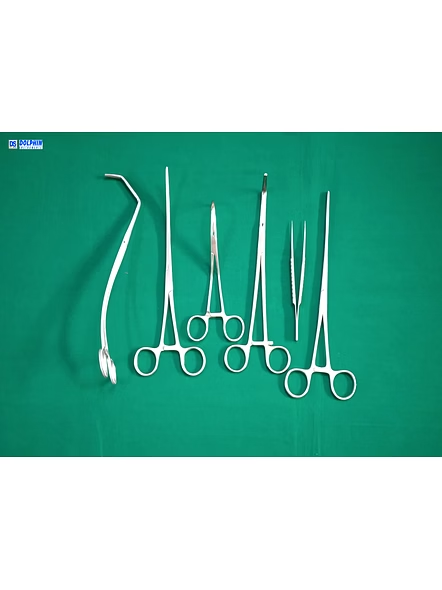
VASCULAR SET- 1
Vascular Set-1 is a specialized, high-grade stainless steel surgical instrument kit designed for delicate cardiovascular and peripheral blood vessel procedures. It is primarily used for clamping, dissecting, and suturing vessels during bypass surgeries, aneurysm repairs, embolectomies, and arteriovenous fistula procedures, ensuring minimal tissue trauma.
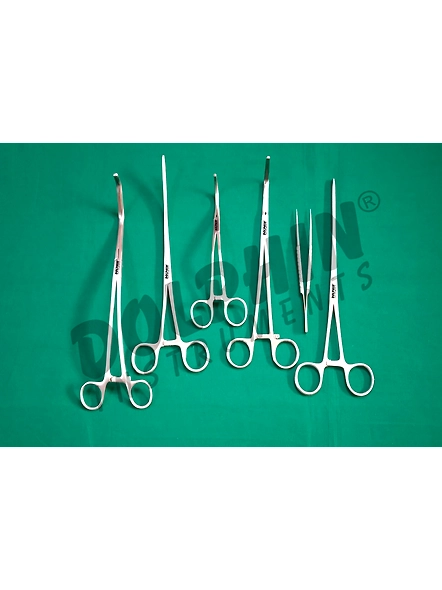
VASCULAR SET – 2
A Vascular Set is a specialized collection of surgical instruments (e.g., bulldog clamps, forceps, needle holders) designed for operating on blood vessels. Its two primary uses are:
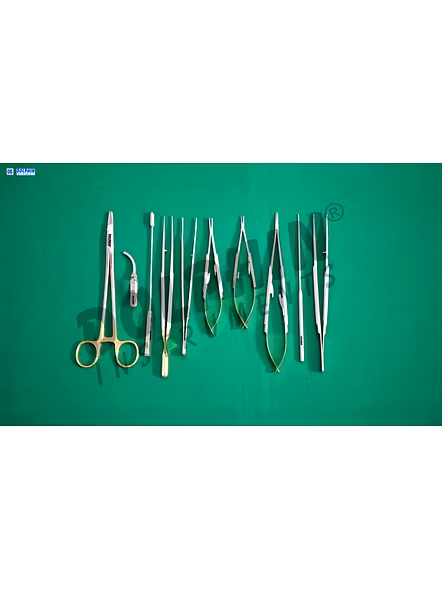
CORONARY SET
A coronary set (or PTCA kit) is a specialized, sterile collection of instruments used in interventional cardiology, primarily for percutaneous transluminal coronary angioplasty and stenting to treat blocked heart arteries. These sets, including catheters, balloons, and guidewires, are crucial for reopening narrowed vessels and restoring blood flow to the heart.
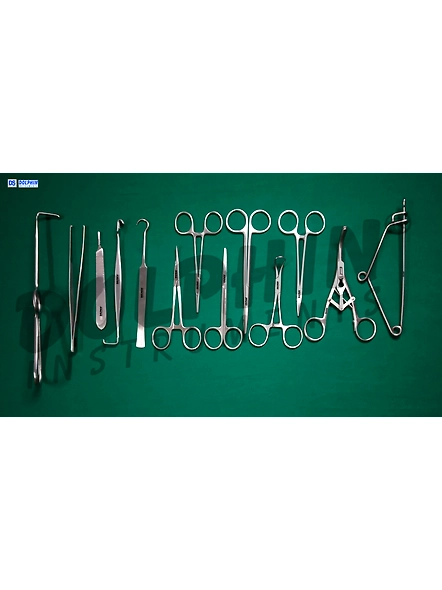
TRACHEOSTOMY SET
Features:
- Made from premium-grade materials
- Designed for surgical precision
- Easy to handle and sterilize
- Widely used in operating rooms
- Trusted by medical professionals
Attributes:
- Brand: DOLPHIN INSTRUMENTS
- Category: Tracheotomy
- Finish: Corrosion-resistant
- Material: Stainless Steel
- Sterilization: Autoclave safe
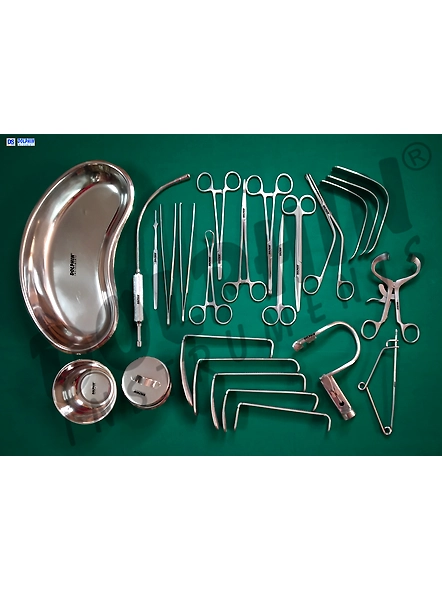
TONSILLECTOMY SET
A tonsillectomy set is a specialized collection of stainless-steel surgical instruments used for the safe removal of the tonsils (tonsillectomy) and sometimes adenoids (adenoidectomy). Primarily, these tools enable surgeons to visualize, dissect, clamp, and remove tonsillar tissue to treat chronic tonsillitis, peritonsillar abscesses, and obstructive sleep apnea.
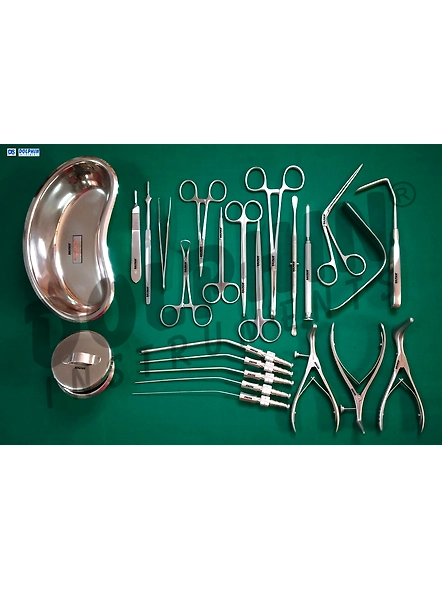
SEPTOPLASTY SET
A septoplasty set is a specialized collection of surgical instruments (e.g., nasal speculums, elevators, forceps, scissors) designed to correct a deviated nasal septum. These instruments are used in ENT and plastic surgeries to trim, reposition, or straighten nasal cartilage and bone, improving airflow, relieving obstruction, and enhancing breathing.
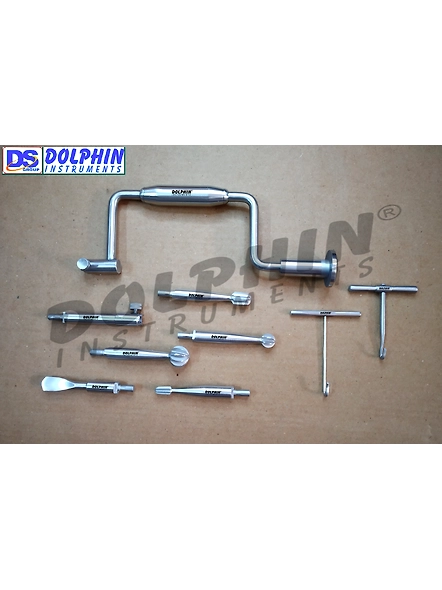

HUDSON BRACE SET
The Hudson Brace Set is a manual, surgical tool set used primarily in neurosurgery and orthopedics to create, drill, and expand burr holes in the skull for accessing the brain, such as during craniotomies,, hematoma drainage, and to provide controlled, tactile feedback during bone perforation.
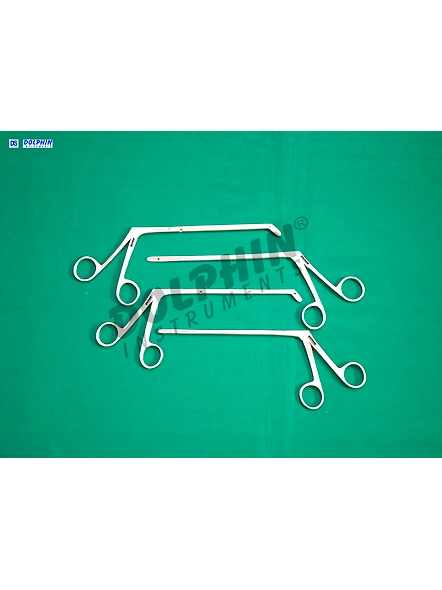
DISC FORCEPS SET
Disc Punch Forceps are used for efficient disc tissue removal during spine surgeries. It is the most commonly used tool by spine surgeons as it offers precise control during the procedure.
Disc punch forceps are specialized, stainless steel surgical instruments, often featuring serrated jaws, designed for precise, controlled excision of intervertebral disc material, bone, and soft tissue during neurosurgical and spinal procedures like discectomies and laminectomies. They are available in straight, upward, or downward configurations to provide access in deep or narrow surgical fields.
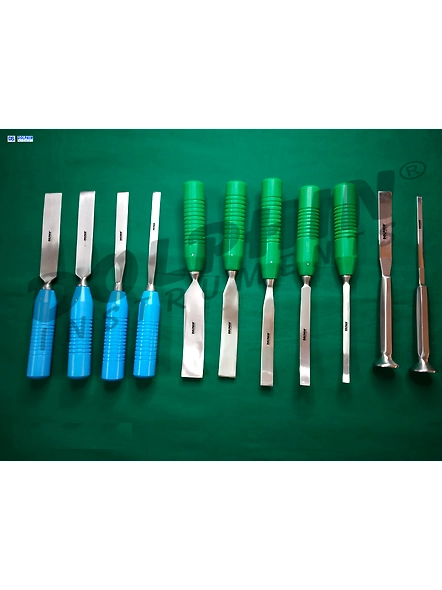
OSTEOTOME SET
A bone set/osteotome set is a specialized collection of surgical instruments (often 6-11+ pieces, flat or curved) used for precision bone cutting, shaping, and grafting.
Bone Condensation:
Concave osteotomes are used to compact soft bone, creating denser, more stable sites for implant placement.
Bone Cutting and Reshaping:
Used in orthopedic procedures, such as joint replacement, to carve, cut, or sculpt bone for proper prosthetic fitting.
Harvesting Bone Grafts:
Used to collect bone tissue for grafting procedures.
SHUNT PASSERS
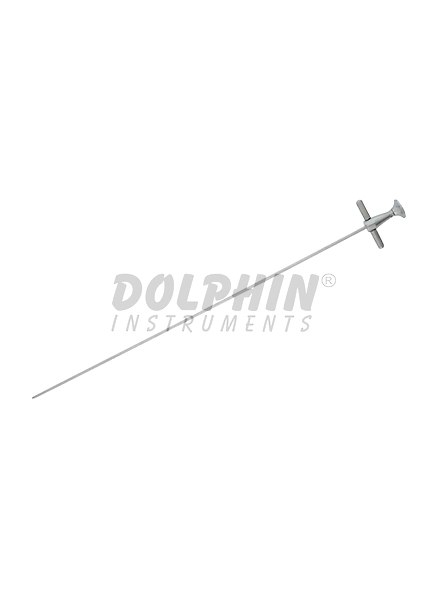
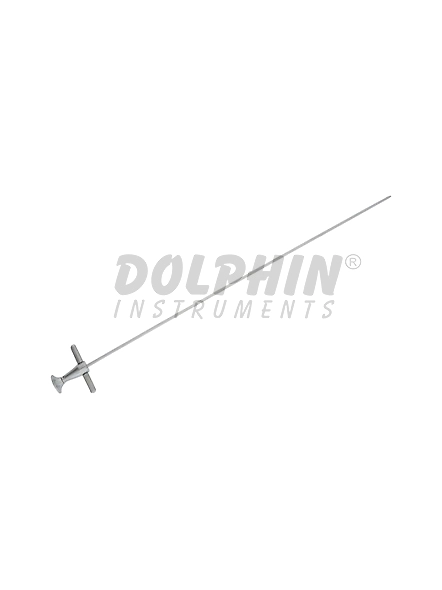
A shunt passer is a specialized, often malleable, surgical tool used in neurosurgery to create a subcutaneous tunnel for passing shunt catheters (tubing) between incisions, primarily during ventriculoperitoneal (VP) or lumboperitoneal shunt procedures. It minimizes surgical time, reduces the need for multiple incisions, and helps prevent valve reversal by allowing accurate tunneling.
LUMBAR SPINE SET
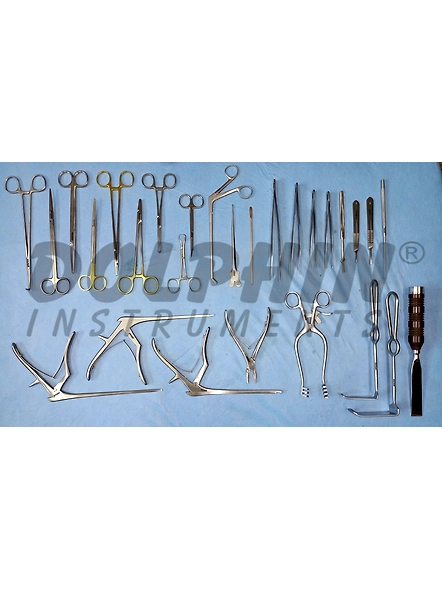
A lumbar spine set (instrumentation) is used in orthopaedic surgery to stabilize, realign, and treat lower back pathologies, including spinal fusion, deformity correction, and decompression. These sets typically contain, bone graft tools, distractors, curettes, and nerve retractors. Key applications include:
Lumbar Fusion Surgery:
Used for degenerative disc disease, spinal stenosis, spondylolisthesis, and fractures.
Stabilization:
Instruments insert pedicle screws, rods, and cages to stabilize the spine and restore disc height.
Minimally Invasive Spine Surgery (MISS):
Specialized sets allow for endoscopic decompression, treating herniated discs and stenoses with smaller incisions.
Deformity Correction:
Used to correct spinal alignments in cases of scoliosis or other curvatures.
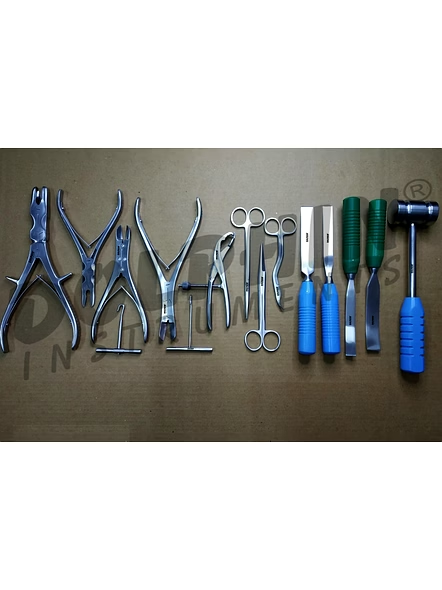
BONE INSTRUMENTS SET
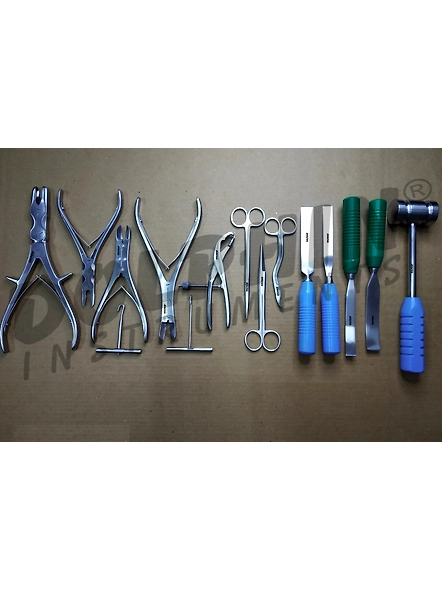
A bone instrument set, or orthopaedic set, is designed for diagnosing, treating, and managing musculoskeletal conditions, including fracture fixation, joint replacement, and bone cutting. These instruments provide precision in operating on bones, ligaments, tendons, and muscles, significantly impacting patient recovery and reducing surgical time.
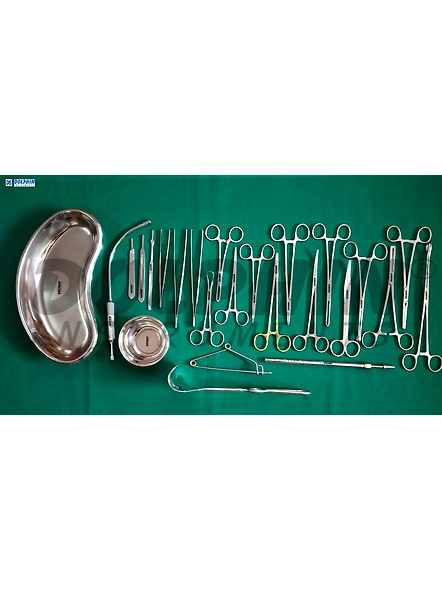
HYSTERECTOMY SET
A hysterectomy set is a specialized collection of high-grade stainless steel, sterilizable surgical instruments designed for the removal of the uterus via abdominal or vaginal routes. These sets, containing clamps, scissors, forceps, and retractors, are used to treat uterine fibroids, abnormal bleeding, and prolapse.
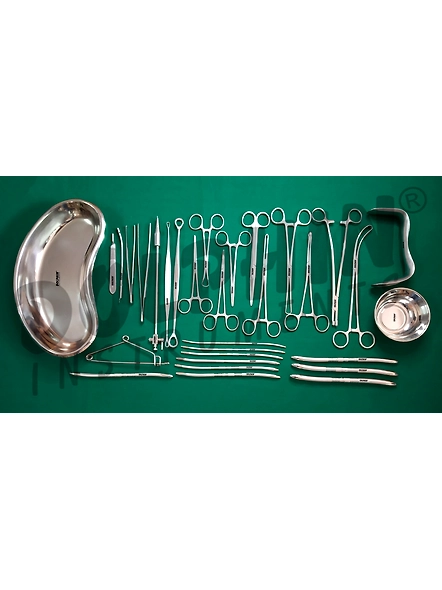
DILATION AND CURETTAGE SET
A Dilation and Curettage (D&C) set is a collection of gynecological instruments used to open the cervix (dilation) and remove tissue from inside the uterus (curettage). It is used for both diagnostic purposes—such as investigating abnormal uterine bleeding, postmenopausal bleeding, or infertility—and therapeutic treatments, including treating miscarriages, removing retained placenta, or performing first-trimester abortions.