



DOLPHIN SURGICAL Dolphin Surgical Industries stipulated in Thane District — 401105 INDIA. Our entire product is very systematically catalog for easy reference, Identification in order to maintain a high degree of quality & reliability, We have t...
- (+91) 7700933367
- dolphininstruments@hotmail.com
- Office No. 27 - 28, Ravi Raj Industries, Near Janseva Sahakari, Behind Dharam Kanta, Phatak Road, Bhayander East, Thane: 401105,, Mira Bhayandar, Maharashtra, India. 401105
© 2020 dolphin instruments. All Rights Reserved
E.N.T. Instruments
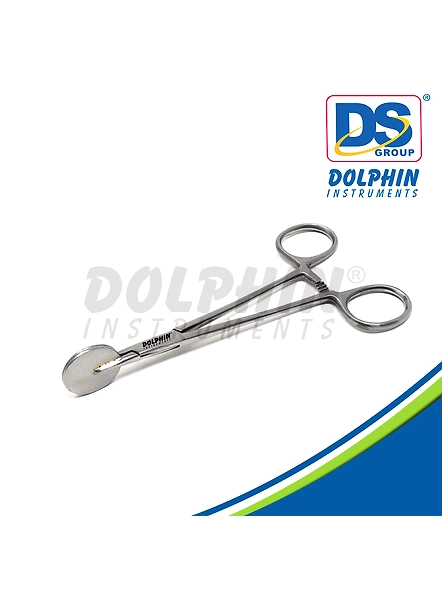
VEIN GRAFT PRESS FORCEP
Vein graft press forceps are surgical instruments used to precisely manipulate and stabilize vein grafts during procedures like coronary artery bypass grafting (CABG). They are designed to provide a secure, atraumatic grip on the vein, reducing the risk of slippage and injury to the vessel wall, which is crucial for ensuring a successful and durable graft. These forceps help hold the graft in place during anastomosis, where the vein is joined to an artery or the aorta.
Holding and stabilizing:
They are used to grasp and hold the vein graft steady during the connection process (anastomosis).
Precise manipulation:
The fine tips allow for accurate placement and adjustment of the graft for an optimal connection.
Preventing slippage:
They provide a secure grip on the graft, which is critical to prevent it from slipping out of place during suturing.
Minimizing tissue damage:
By providing a firm but atraumatic grip, these instruments protect the delicate vein wall from crush injuries that can occur with other types of forceps.
MICRO TYING FORCEP
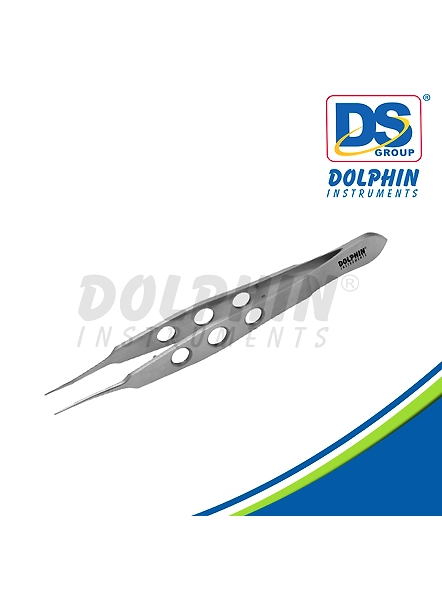
Micro tying forceps are used for precision in microsurgery, particularly for tying sutures and manipulating fine tissues during delicate operations like cardiovascular, ophthalmic, neurosurgery, and hand surgery. Their specialized design provides the control and accuracy needed for these intricate procedures, making them invaluable tools in many surgical fields.
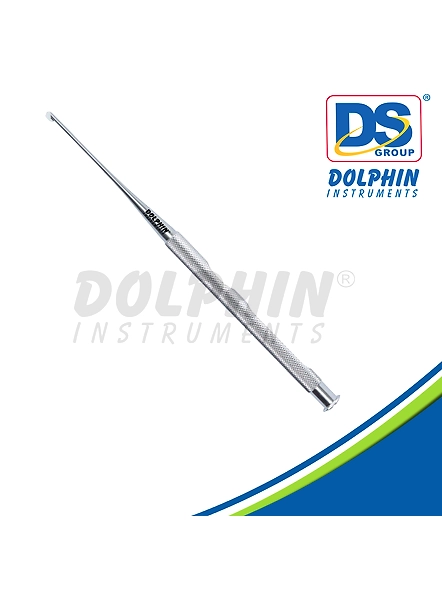
SICKLE KNIFE WITH SUCTION
A sickle knife with suction is a surgical instrument used in otologic (ear) and other microsurgeries for precise and atraumatic dissection of delicate tissues, like those in the middle ear. Its primary use is to simultaneously cut tissue with the sickle-shaped blade and suction away debris or fluids through the integrated suction duct, which improves visibility and saves time.
Tissue dissection:
The sickle-shaped blade is designed for precise and sharp cutting of delicate structures, such as those found in the middle ear during procedures like tympanoplasty, stapedectomy, or myringotomy.
Concurrent suction:
The integrated suction function allows for simultaneous dissection and suctioning, which keeps the surgical field clear, improves visibility, and helps remove residual cholesteatoma.
Atraumatic cutting:
The design helps surgeons make clean cuts without causing extra trauma to the surrounding tissues.
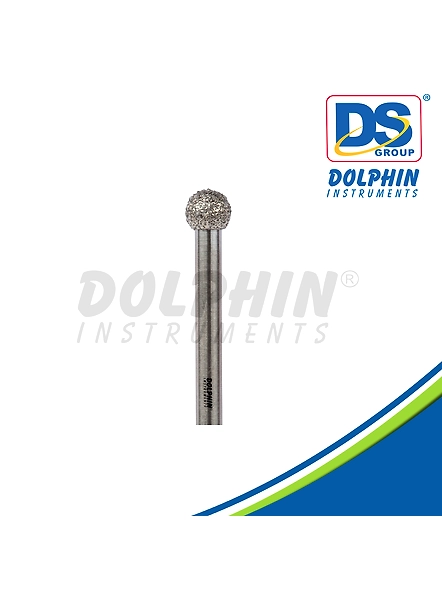
DIAMOND BURS
Surgical diamond burs are used for cutting, grinding, and shaping hard tissues like enamel, bone, and teeth, and are essential in dental procedures such as crown preparations, cavity preparation, and surgical extractions. They are also used for finishing procedures, interproximal reduction in orthodontics, and creating access for root canals. Their fine abrasive surface, made of bonded diamond particles, allows for precise and efficient removal of hard materials.
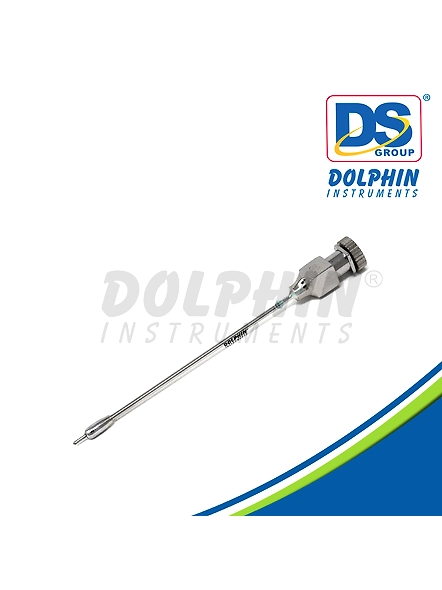
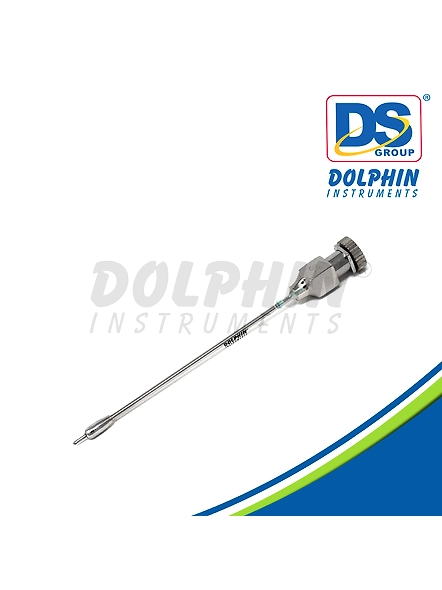
HEPARIN CANNULA
A heparin cannula (more commonly referred to as an intravenous (IV) cannula with a heparin or injection cap) is a medical device used primarily to maintain continuous vascular access and prevent the formation of blood clots within the catheter itself. The cap is flushed with a dilute heparin solution to keep the line patent (open and unobstructed) when it is not in active use.
Maintaining IV line patency:
The main purpose is to prevent blood from clotting inside the catheter or IV line, which can cause blockages and complications.
Intermittent access:
It allows for a way to provide a patient with medications or fluids at specific times without requiring a continuous IV drip or multiple needle sticks for each dose.
Preventing complications:
By keeping the line free of clots, it reduces the risk of catheter-related complications such as thrombosis or infection.
Facilitating blood draws:
It allows for smooth and efficient blood sampling for diagnostic purposes without the need for additional venipunctures.
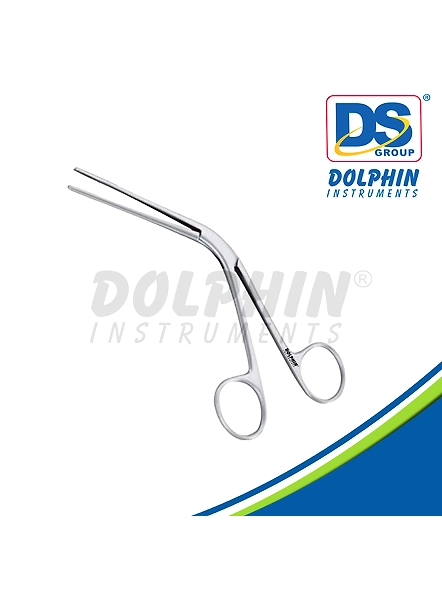
TILLEY NASAL FORCEP
Tilley nasal forceps are used to insert and remove nasal dressings, packings, and other materials during ENT (Ear, Nose, and Throat) procedures. Their angled design allows for better visibility, while the long, thin, and often serrated jaws provide a secure grip for tasks like placing gauze, removing foreign bodies, and manipulating tissue during surgeries such as septoplasty.
Nasal packing:
To insert gauze strips or other packing materials into the nasal cavity, particularly after surgery or to control bleeding.
Removal of foreign objects:
To grasp and remove foreign bodies, crusts, or packing from the nose.
Tissue manipulation:
To remove cartilage and bone pieces during nasal and sinus surgeries.
General ENT procedures:
They are a versatile tool used in both outpatient settings and the operating room for various procedures involving the nasal cavity.
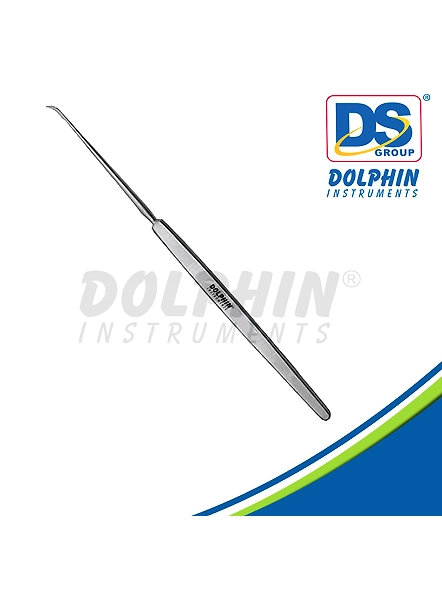
SICKLE KNIFE
A surgical sickle knife is used to make precise incisions in otologic (ear) and otolaryngology (ENT) procedures, such as tympanoplasty and tonsillectomy, to minimize trauma to surrounding tissues and provide access to delicate areas. It is also used in some orthopedic, general, and laryngeal surgeries for similar controlled cutting in tight or intricate spaces.
Myringotomy:
Making a small incision in the eardrum to drain fluid or relieve pressure.
Tympanoplasty:
Used to make precise incisions in the middle ear for eardrum repair.
Tonsillectomy:
Performing precise incisions around the tonsils.
Other ear procedures:
Assisting in stapedectomy, ossiculoplasty, and mastoidectomy.
Laryngeal procedures:
Used in microsurgery for precise and controlled incisions in the larynx.
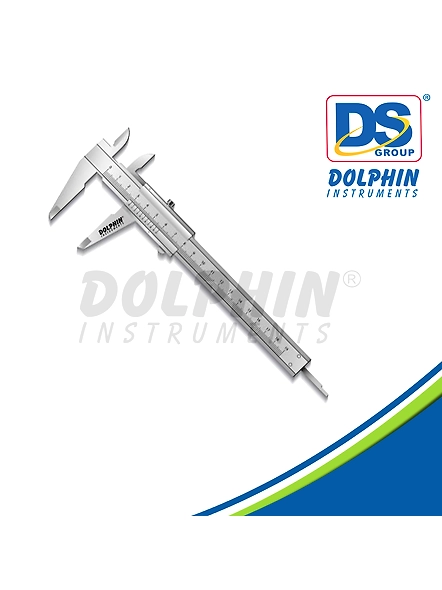
CALIPERS 8"
An 8-inch ENT caliper is a precision measuring instrument used in the medical field, specifically in otolaryngology (ear, nose, and throat) and general surgery, for making accurate dimensional assessments. It is primarily used to measure the internal, external, depth, and step dimensions of anatomical structures or surgical instruments.
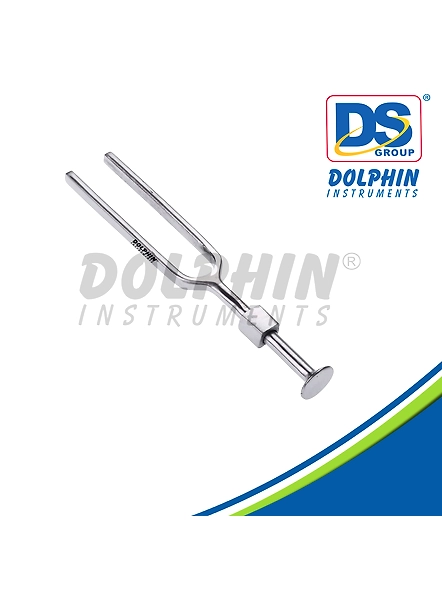
TUNNING FORK 256hz
A 256 Hz tuning fork is used for medical diagnostics like hearing and vibratory sensation tests (Weber and Rinne tests), sound healing for relaxation and grounding by balancing the root chakra, and as a reference tone for musical instruments. It is versatile, with its use in medicine often focusing on audiology and neurology, while sound healing applications utilize it for stress reduction and meditation.
Hearing tests:
Essential for performing the Weber and Rinne tests to help determine the type of hearing loss.
Vibratory sensation:
Used to test a patient's ability to feel vibrations, which is important for neurological examinations and assessing nerve function.
Bone conduction tests:
Can be used to assess bone conduction hearing.
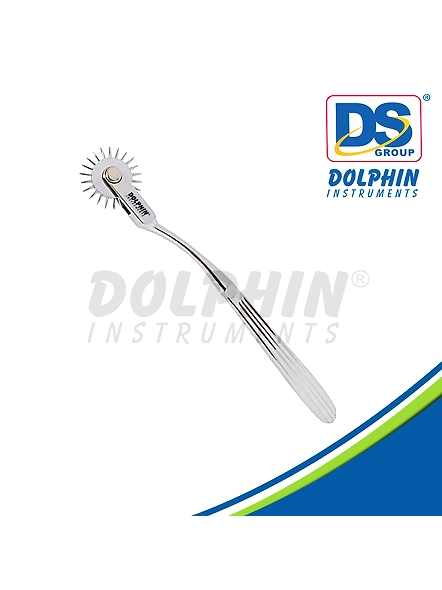
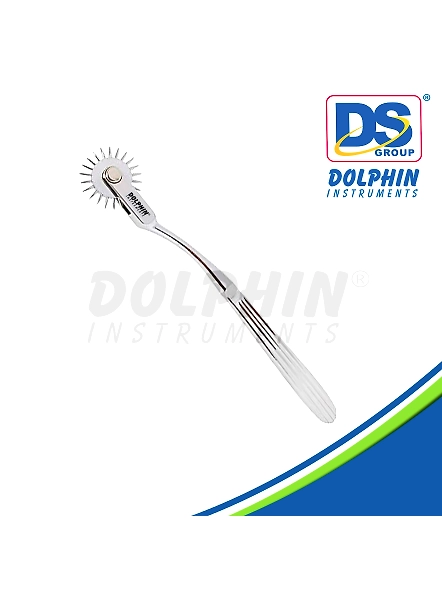
WARTENBERG PINWHEEL
The Wartenberg pinwheel is primarily a medical device used by healthcare professionals to assess nerve function and sensory perception. It is systematically rolled across the skin to evaluate a patient's ability to feel sharp stimuli.
Neurological Testing:
Neurologists use the pinwheel to test for nerve reactions and sensitivity, which is vital for diagnosing conditions such as neuropathy (nerve damage, often associated with diabetes), carpal tunnel syndrome, or spinal cord injuries.
Sensory Mapping:
By rolling the wheel over specific areas of the body (dermatomes), clinicians can map out areas of decreased sensation (hypoesthesia) or heightened sensitivity (hyperesthesia) to pinpoint the location and severity of nerve damage.
Physical Therapy and Rehabilitation:
Physical therapists may use the pinwheel to stimulate nerve function and monitor a patient's progress during rehabilitation for conditions like stroke or multiple sclerosis.
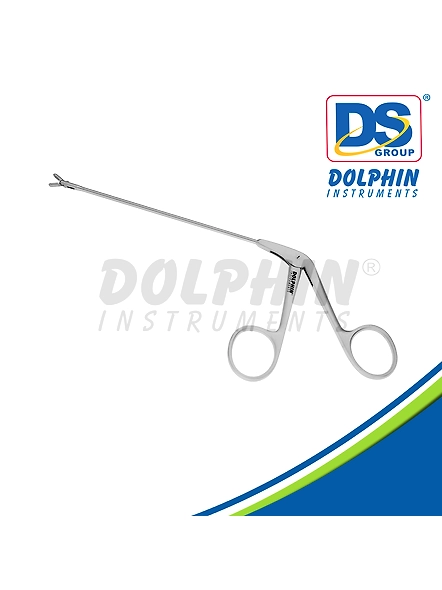
SINUS BIOPSY FORCEP
Sinus biopsy forceps are used to obtain tissue samples for diagnosis, remove foreign objects from the nasal cavity, and remove polyps. They may also be used for puncturing and draining abscesses, though they are not designed for cutting tissue. These instruments are used during procedures like laryngoscopy, esophagoscopy, and endoscopic sinus surgery.
Biopsies:
Forceps are used to grasp and remove small pieces of tissue from the sinuses for diagnostic testing to identify conditions like infections or tumors.
Tissue removal:
They are used to remove polyps, growths, or other tissue masses from the nasal cavity.
Foreign body extraction:
Forceps are designed to securely grip and remove foreign objects that may have become lodged in the nasal or oral cavities.
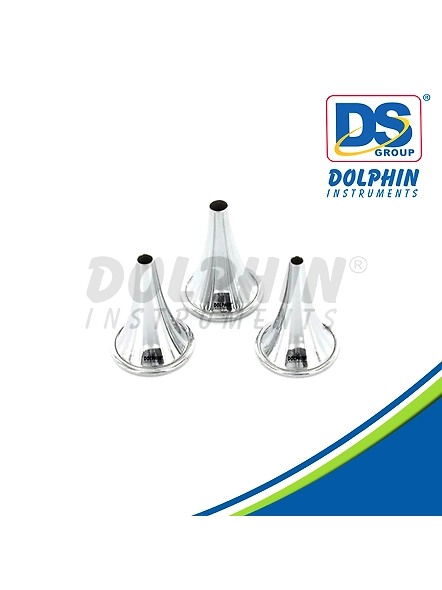
EAR SPECULUM S.S. SET OF 3
An "S.S." (Stainless Steel) ear speculum is primarily used by medical professionals and individuals to visualize the inside of the ear canal and eardrum for diagnosis and treatment. Its uses include examining for infections, earwax buildup, and foreign objects, as well as performing procedures like removing obstructions or cleaning the ear.
Diagnosis:
Allows doctors and audiologists to examine the ear canal and eardrum to identify issues like infections eardrum perforations, or other abnormalities.
Treatment:
Helps in removing foreign objects, earwax, or discharge that can block the ear canal.
Procedures:
Is used as a tool during minor ear procedures to help a surgeon get a clear view of the ear canal.
Hearing aid support:
Assists in inspecting and cleaning hearing aid devices to ensure they are working correctly.
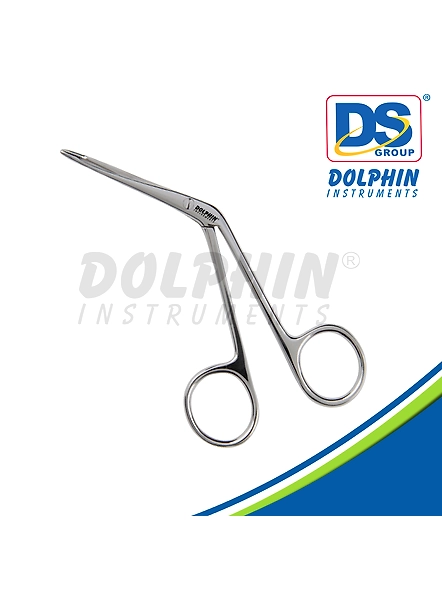
HARTMAN NASAL FORCEP
Hartmann nasal forceps are used for various nasal and sinus procedures, including grasping and removing soft masses like polyps, packing the nasal cavity with gauze, and extracting crusts or foreign bodies. They are essential for stabilizing tissue during surgical excision and are designed with features like serrated jaws for a secure grip and slender shafts for accessing deep nasal areas.
Grasping and excising tissue:
Used to grasp and cut nasal polyps or other soft masses that cause discharge or bleeding.
Packing and removing dressings:
Employed to place or remove nasal dressings, gauze, or other packs within the nasal cavity.
Foreign body removal:
Can be used to retrieve foreign objects from the nose.
Specimen collection:
Used for taking biopsies from the nasal cavity.
Controlling bleeding:
Helpful in applying packs to stop bleeding.
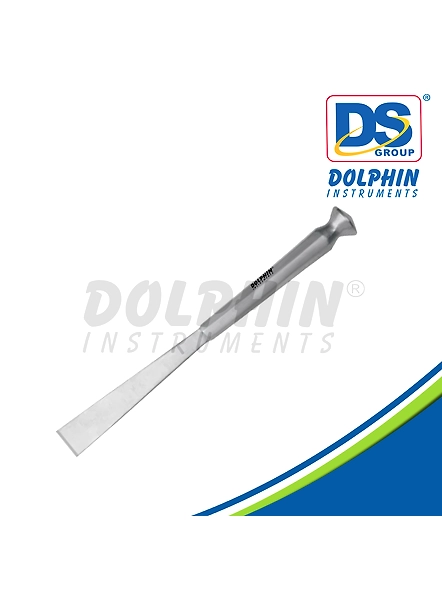
E.N.T. OSTEOTOME 4MM
An E.N.T. 4mm osteotome is used for precise bone cutting, shaping, and manipulation in Ear, Nose, and Throat, plastic, and oral/maxillofacial surgeries. Its 4mm blade is used for tasks like sectioning the maxilla or pterygoid plates, facial bone sculpting, and facilitating sinus lifts by carefully creating or expanding bone channels.
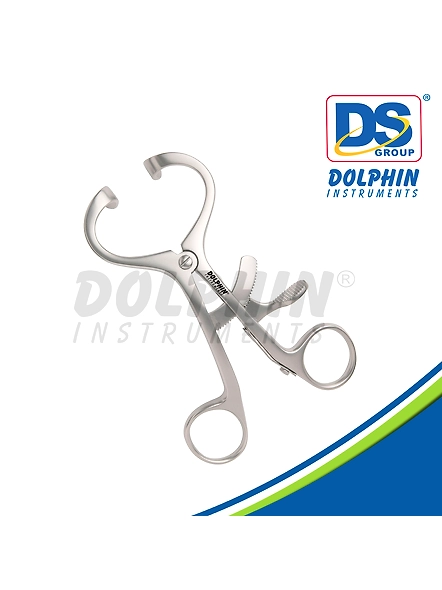
DOYEN MOUTH GAG LARGE
A large Doyen mouth gag is used to hold a patient's mouth open during oral, dental, or ENT surgeries by providing a clear, secure, and accessible view of the oral cavity. It is particularly useful in procedures that require both of the surgeon's hands for maximum control, such as during tooth extractions. Key features include curved blades for gentle retraction, a ratchet lock for stable positioning, and ergonomic handles to reduce hand fatigue during long procedures.
Holding the mouth open:
The primary function is to keep the patient's mouth securely open, often with the help of a ratchet lock, allowing medical professionals to work without the mouth closing unexpectedly.
Improving visibility:
By gently retracting the cheeks and lips, the gag improves the surgeon's view of the teeth, gums, and other oral structures.
Facilitating surgical access:
It is essential for performing a wide range of procedures, including extractions, oral surgeries, and other interventions that require direct access to the oral cavity.
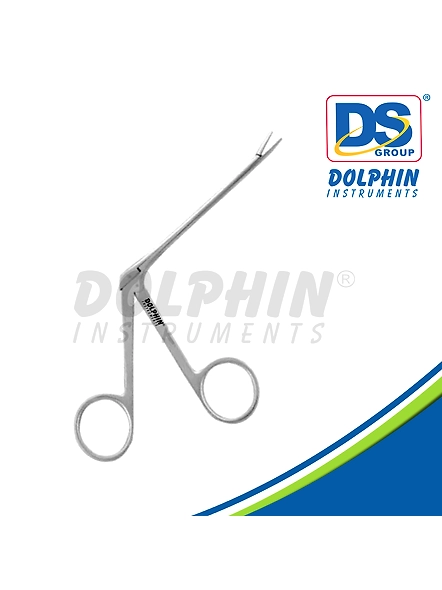
CROCODILE FORCEP
Crocodile forceps, also known as alligator forceps, are used primarily in ENT (ear, nose, and throat) procedures to remove small foreign objects and earwax from the ear canal. They are also used for grasping and manipulating tissues during middle ear surgeries, packing for ear grafting, and some nasal procedures. Their design, with a long slender body and jaws that open when the handle is squeezed, allows for precise and firm grasping.
Earwax and foreign body removal:
The pointed jaws are used to carefully grasp and remove earwax, such as long pieces of dry keratin, or small foreign objects from the ear canal.
Surgical procedures:
They are used in various ENT surgeries to manipulate tissues, insert grommets into the eardrum, and pack materials for ear grafting procedures.
Nasal procedures:
Crocodile forceps can be used for some procedures in the nasal cavity as well.

CROCODILE FORCEP BLACK UPWARD 50''
A 50-inch "crocodile forceps black upward" (also known as Hartmann or alligator forceps) is a surgical tool with upward-pointing jaws used in various procedures, primarily for grasping small objects or delicate tissue in hard-to-reach areas. Its uses include ear care, foreign body removal, packing sponges, or manipulating tissues in procedures such as grommet insertion, and general surgery
ENT procedures:
Removing earwax and foreign objects from the ear canal, and inserting grommets (tubes) into the eardrum.
Foreign body removal:
Grasping and removing small objects from other small cavities in the body.
Tissue manipulation:
Handling delicate tissues in a variety of surgeries, including grasping fine sutures or tissue grafts.
Hemostasis:
Assisting in controlling bleeding during surgical procedures.
Packing and stabilization:
Used to pack sponges or stabilize needles during suturing.
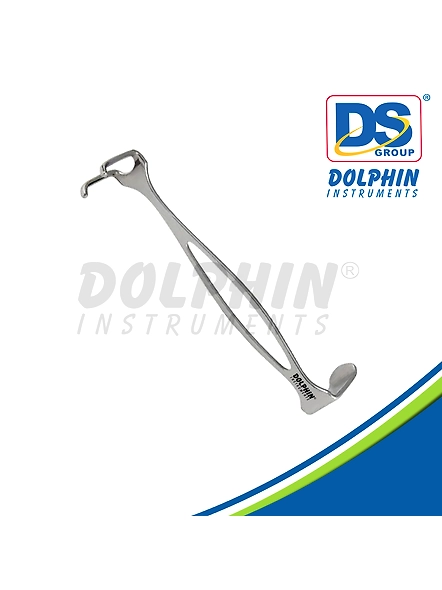
CZERNY RETRACTOR
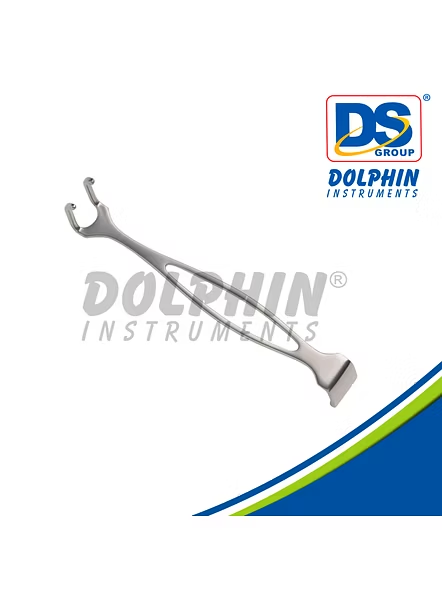
A Czerny retractor is used to hold back soft tissues and organs during a variety of surgical procedures, such as hernias, laparotomies, and abdominal or thoracic surgeries, to provide surgeons with a clear view of the surgical site. Its primary function is to provide enhanced visibility and access while minimizing trauma to surrounding tissues, making it a versatile and valuable tool across different surgical specialties.
MICRO EAR PICK STRAIGHT
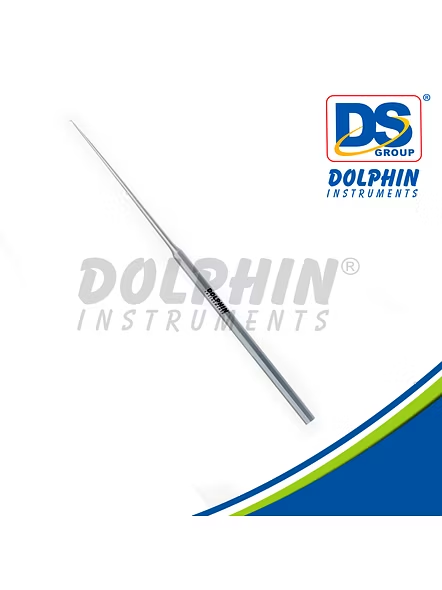
A micro ear pick straight is a fine, straight surgical instrument commonly used in ENT (Ear, Nose, and Throat) procedures. Its main uses include:
Ear Wax Removal:
To safely remove cerumen (ear wax) or debris from the external auditory canal.
Foreign Body Removal:
To gently extract small foreign bodies lodged in the ear canal.
Microsurgery Assistance:
Used under a microscope during delicate ear surgeries (like tympanoplasty or stapedectomy) for precise tissue handling.
Cleaning the Ear Canal:
Helps clear the canal for better visualization during examination or surgical procedures.
Sample Collection:
To collect tissue or debris samples from the ear for diagnostic purposes.

JOBSON HORNE PROBE
A Jobson Horne probe is used for ear care, including the removal of earwax, foreign objects, and debris. It can also be used for nasal examination to probe nasal masses and check their sensitivity. Some dental applications also exist, where it is used for both examinations and cleaning.
Earwax removal:
The looped end is used to hook out stubborn earwax.
Foreign object removal:
It can be used to gently remove foreign objects from the ear canal.
Cleaning:
The instrument is used to clean the ear canal of debris or discharge.
Inspection:
It can be used to probe aural polyps or other masses in the ear canal.
TUNNING FORK 1024hz
Explore the versatile TUNNING FORK 1024hz for medical diagnostics and alternative healing Discover its uses in sound therapy and scientific studies. Features Versatile 1024hz frequency Ideal for medical diagnostics Promotes relaxation and well-being Used in sound therapy Contributes to scientific research.
Features:
- Made from premium-grade materials
- Designed for surgical precision
- Easy to handle and sterilize
- Widely used in operating rooms
- Trusted by medical professionals